2 hours ago
The Guardian: Srebrenica survivors live in camps after 25 years
Periskopi(6 years ago)
(6 years ago)For the Srebrenica genocide we've all heard. We've all seen the graves of the slain. Yet, we do not know what happened to the survivors of this genome. An article published by The Guardian shows their terrible reality - that they still live in camps. When Bosnian Mujo Hrustanovic [...]
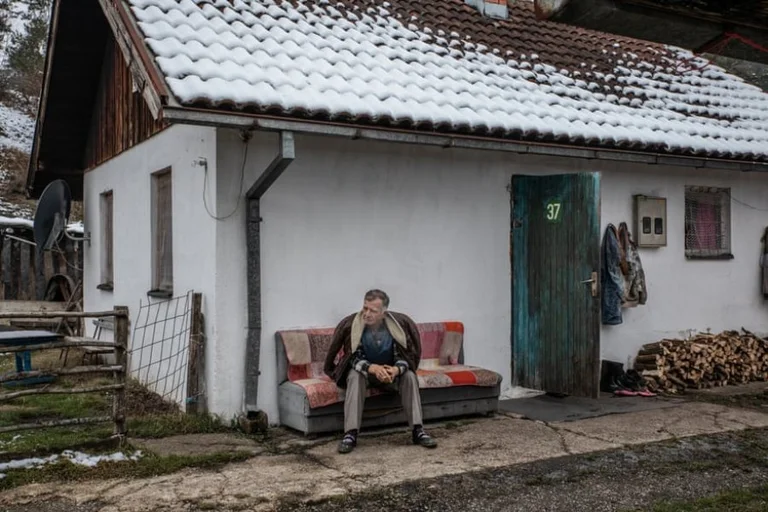
When Bosniak Mujo Hrustanovic was transported to the Jezevac refugee camp in Bosnia in 1997, he hoped that he would stay there only a few months. So at least the government told him. But more than two decades later, he is still there.
This 75-year-old shares a 30 square metre residence with his wife, son, bride and two children, in one of the 50 camp houses built by international organisations in the vicinity of Tuzla. Such settlements, originally envisioned as a temporary solution, however, have become permanent homes for hundreds of survivors of the genocide in Srebrenica, the most cruel crime in Europe since World War II, reports the British newspaper “The Guardian”.
“has abandoned us”, says Hrushanovic's son, Avdo (25), who was a several-month-old baby when his parents were forced to leave Srebrenica. These people have shared all their pain with the international community, but what have they received in return? A ruined house. And, they've been forgotten by all”.
On 11 July 1995, forces under the command of Bosnian Serb General Ratko Mladic entered Srebrenica. They surrounded all the men and executed them. More than 8,100 people were killed in Srebrenica.
In all, the 1992-95 war in Bosnia has left more than 100,000 dead, as more than two million people were forced to flee their homes. According to the UN Agency for Refugees, over 98,324 people had not yet returned to their homes in 2015, and 7,000 of them continued dwelling in collective shelters.
“There has never been a clear strategy for the return of Bosnian refugees to the flat villages of”, Branka-Antiq Stauber, director of “Wemen) Power”, the group offering psychological support to Bosnian refugees, said. “Sometimes, even after rebuilding their homes, they had trouble returning”, she said, Time conveys.