2 hours ago
5 The rules following dermatologists to discover warning signs of skin cancer
Periskopi(6 years ago)
(6 years ago)There are nearly 200 different cancer games, and melanoma remains one of the most common in the age of under 50. The longer the years go by, the more the body changes, the signs of aging, wrinkles, spots, glands we swear we never had before. Most of them form [...]
There are nearly 200 different cancer games, and melanoma remains one of the most common in the age of under 50. The longer the years go by, the more the body changes, the signs of aging, wrinkles, spots, glands we swear we never had before. Most are formed simply as a result of aging.
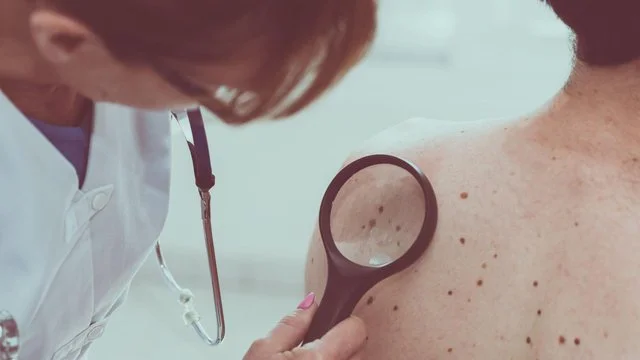
They're annoying, but not a chance to worry. However, it is important that you pay attention to every change that takes place in your skin - even to the appearance of a small mole - that if an early discovery, melanoma is one of the most easily treated cancers, even an invasive treatment. Although time detection is both simple and important, many people are unaware or simply ignore warning signs of this type of cancer.
Nishania can be a first sign of skin cancer. People with many moles in their bodies, those with pale skin, and red hair are more threatened by cancer. (A 2016 study revealed that people with red hair, pale skin, and wood in their face can hide a gene that increases the risk of being touched by skin cancer linked to the sun. Here's what you need to know. Dermatologists Follow Rule A BCDE to detect warning signs of skin cancer:
1. Asimetria: Check for any difference in the shape of moles, whether one of them has a disorderly form compared with others or starts to change shape over time.
2. Margins: In addition to disorderly forms, take a look at the area around the mole.
3. Color difference: Color - changing Nishanas, or different colors, must be controlled in different parts. Color should be disturbing to the patient when it's blue in the mavi.
4. Diameter: If you have a mole that exceeds the size of 6 mm in diameter, you should check it out to the doctor.
5,“Many dermatologists use different terms regarding this sign. However, any change in size, if the mole begins to spread to the surface of your skin, or notice something suspicious or disturbing in your skin, you need to let your doctor know about it.