14 hours ago
3 Simple Ways to distinguish organic foods from health - harmful ones
Periskopi(6 years ago)
(6 years ago)Today it's hard in our country to find healthy and non-technetically modified foods(OMGJ) but there are some ways to find out whether they're organic: OMG food is resistant to pests, herbicides, mushrooms, and viruses. They taste better and grow faster than organic products. [...]
Today it's hard in our country to find healthy and non-technetically modified foods(OMGJ) but there are some ways to find out whether they're organic:
OMG food is resistant to pests, herbicides, mushrooms, and viruses. They taste better and grow faster than organic products.
OMDR products can cause an allergic reaction. For example, if you are allergic to nuts and have eaten a product with cobweb genes, it can cause an allergic reaction. That's why you always need to read carefully the information on the labels.

- Read the labels: Organic products are marked in a special way. Look at “100% organic”, “Organic” or “They guarantee that the product does not contain OMG components.
Pay attention to “inscriptions Without OMG,” “No OMG”, or “produced without genetically modified components.” These products can contain OMG, but no more than 0.9%.
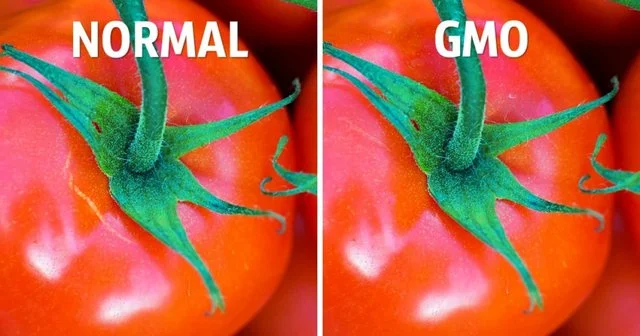
The genetically modified food looks perfect. They have the right shape, the same size for a long time because new genes allow them to resist the negative external impact.
If vegetables are affected by insects, they may be organic.

If it's important for you not to consume genetically variable products then remember:
78% of the soybeans, 33% of corn and 64% of cotton in the world are genetically variable and often found in products like:
They've been added to such foods as:
sausage
Milk and Cheese Products
Half - ready products and flour mixtures
grain for breakfast
bread and sweets
Sweet drinks.
Soft butter and peanuts