13 hours ago
Signs showing you have passive personality, although you don't know
Periskopi(5 years ago)
(5 years ago)What is passive behavior? People in passive behavior express their negative feelings delicately through actions instead of treating them directly. This creates a difference between what they say and what they do. For example, suppose someone proposes a plan at work. A person with passive behavior can [...]
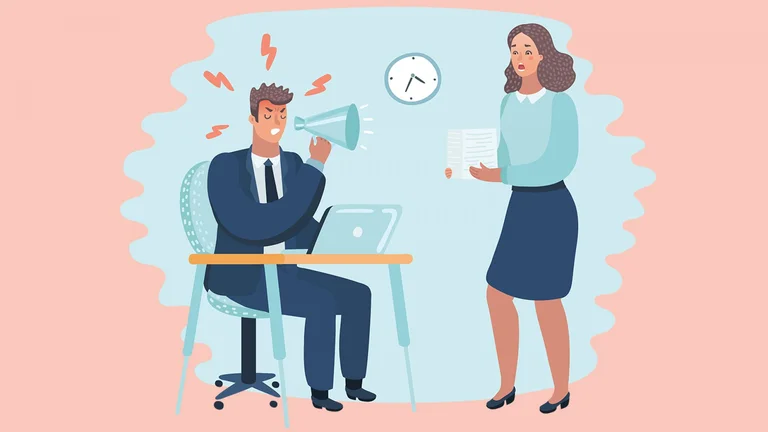
People in passive behavior express their negative feelings delicately through actions instead of treating them directly. This creates a difference between what they say and what they do.
For example, suppose someone proposes a plan at work. A person with passive behavior can reject the plan, but instead of expressing his opinion, he says he agrees with it. Although opposed, he says nothing but later causes problems.
Another example: A girl is studying with her boyfriend in the same room. She's mad at him, but instead of saying, she puts loud music in her mouth to bother him.
Passual behavior can be a symptom of some mental disorders, but it is not considered to be a particular state of mental health. Such conduct can affect a person's ability to build and maintain healthy relationships and cause problems at work. However, there are ways to manage passive behavior so that it doesn't have a negative impact on someone's quality of life.
Passual-aggressive behavior signs
There's usually a split between what a person with passive behavior and what he does. Such behavior often angers family members, friends, and coworkers. However, the person may not be aware of his conduct.
The most common signs are:
A desire to criticize or oppose something
) carrying out tasks in an inefficient way
Distraction and cynical action
Overly stubborn
) blaming others
Rheses Not Appreciated
Disgusting others ' requests
Causes of Passive-Aggressive Conduct
The exact cause of passive behavior is unknown. However, biological and environmental factors can contribute to the development of this behavior.
Researchers believe that people who exhibit passive behavior start acting like this from childhood. Parental style, family dynamics, and other childhood influences can be contributing factors. Child abuse, neglect, and harsh punishment can also cause one to develop such behavior.
Basic health conditions may result in behavior that seems similar to passive behavior, such as:
stress
Anxious Disorder
Depression
A behavioral disorder
Bipolar Disorder
What?
alcohol addiction and narcotic substances
Identification of passive behavior
Passive behavior is not a medical disorder, so a doctor cannot diagnose it. However, a trained mental - health professional can help identify behavior that needs treatment. They will ask questions about symptoms and behaviors, including when they began and the effects on one's life, work, and relationships.