10 hours ago
Menopause - Myths and Truths
Periskopi(6 years ago)
(6 years ago)When it comes to major changes in your body (for women), menopause, puberty, and pregnancy are the most important. But unlike puberty and pregnancy, there is no known guide for menopause. Thus, many misunderstandings and myths have been created regarding menopause. For example, you may have heard that [...]
When it comes to major changes in your body (for women), menopause, puberty, and pregnancy are the most important. But unlike puberty and pregnancy, there is no known guide for menopause.
Thus, many misunderstandings and myths have been created regarding menopause. For example, you may have heard that during this time you cannot sleep well or suffer constant pain. But the truth is that menopause is a period that differs from person to person.
Here are some truths and myths about menopause.
During your menopaus you will add at least five kilos, no matter what. No.
Weight gain is common during menopausis, but most women add only two pounds [3 kg] and no more. This may be caused by lower estrogen levels, a slower metabolism, and reduced muscle mass that occurs naturally to aging.
But weight gain is not inevitable. There are things you can do to maintain your constant weight, starting with physical exercise. 45 minutes of cardio is recommended, 5 times a week to burn calories and build muscle mass. Also, in all 50 years, that body needs 10% less calories than in 30 degrees.
Menopause increases the likelihood of being affected by certain diseases. True
Low levels of estrogen and progesterone increase risk of being affected by serious health problems such as heart disease, stroke, and osteoporosis. But you can take steps to protect your health, such as 45 minutes of daily physical activity and healthy nutrition (many fruits and vegetables, healthy fats, cereals, etc.).
Talk to your doctor if you can take advantage of supplements such as vitamin B, which helps keep your blood cells and your nerve healthy but it is difficult to absorb from food over age. Additionally, vitamin D supplements can maintain bone health and reduce the risk of osteoporosis.
After menopause you'll always have pain in sex. No.
The lowest levels of estrogen cause the dills of the vagina and vulva. This may result in a sense of burning or narrowness during sex. But this is not inevitable. You can use vaginal creams in order to avoid such problems. If these creams don't work, then your doctor might recommend creme vaginal estrogen or something.
Menopause can cause sleep problems. True
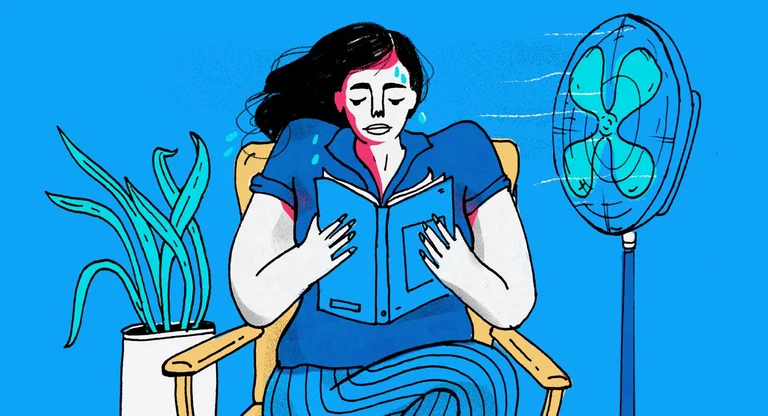
Studies show that a quarter of women suffer from insomnia during menopausis. Many may have sleep problems because of the heat they feel at night. To avoid doing so, you may try to keep a cooler close to your bed or to wear light clothes, things.
No hormone substitutes should be taken. No.
Experts agree that synthetic estrogens can play an important role in raising low estrogen levels, thus avoiding sex pain, sweat and heat during the night and so forth. But since profits are not always greater than potential risk, it is important to know how they can affect you before you start taking them. You should always consult your doctor.