12 hours ago
What change does loneliness make in a person's brain?
Periskopi(5 years ago)
(5 years ago)In a recent study, scientists have discovered some evidence that a lonely person's brain has several physical and structural changes compared with the brain of a person who is not lonely. Social interaction is a major factor in people's physical and psychic health. However, the effects of David-19 [...]
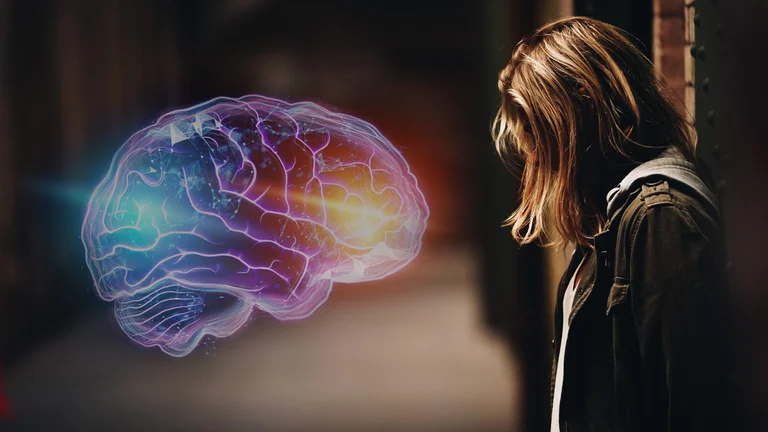
In a recent study, scientists have discovered some evidence that a lonely person's brain has several physical and structural changes compared with the brain of a person who is not lonely.
Social interaction is a major factor in people's physical and psychic health. However, the effects of Covid-19 and the need for physical distance are making this problem even more challenging.
A new study conducted by scientists at Canada's Neurological Institute, whose results have now appeared in the scientific magazine “Nature Communications” suggests that the brain of people who experience loneliness displays scifi patterns in a network of several nerve regions responsible for thought, memory, imagination and planning.
The data on this study was taken from the genetic biobank in Great Britain, which is a database of over 40,000 individuals. After initial tests, it was noted that the measure of loneliness did not necessarily depend on the amount of human contacts each person had, but on the perception of people over loneliness.
According to the study, three of the distinctive characteristics of a lonely “r” were:
The brain of people who are or are constantly lonely had more gray mass, it also demonstrated greater stability of a package of white matter found in the hippocampus, and the link between brain regions was stronger.
It was also noted that these brain traits make people remember and imagine past interactions or dream of future scenarios, which stimulate mental processes.
According to scientists, this is a fact that shows that the brain is capable of expressing traits that indicate that a person feels or is lonely by a person who is not lonely.
Despite these findings, further research is necessary according to researchers to understand the reasons for these changes in brain structure.