11 hours ago
Brain shot and memory loss. The most common neurologic complications of Ovidius (even in non-serious patients)
Periskopi(6 years ago)
(6 years ago)Well known as Sars- The CoV-2 not only touches the lungs but also the heart, the kidney brain. But how serious can neurological complications be in the long term? Over the months, serious phenomena, such as strokes, encephalitis, muscle fatigue, motion difficulties, have been reported. It's been seen touching with Coddy-19, and [...]
Well known as Sars- The CoV-2 not only touches the lungs but also the heart, the kidney brain. But how serious can neurological complications be in the long term? Over the months, serious phenomena, such as strokes, encephalitis, muscle fatigue, motion difficulties, have been reported.
It has been seen to be touched with Coddy-19, even in a mild manner, can cause months of trouble, causing what is called Long Covid syndrome, which includes fatigue, panting, loss of taste and smell.
According to a French study, nearly 1 out of 5 young people between the ages of 18 and 34 reported that they did not return to normal health (14 to 21 days after the test). Moreover, one in 20 persons has had effects on mental ability, memory loss, and concentration difficulties - the so - called cognitive mist that affects young people between 18 and 49, slightly affected by the virus in many cases.
Frequent neurological Disorders
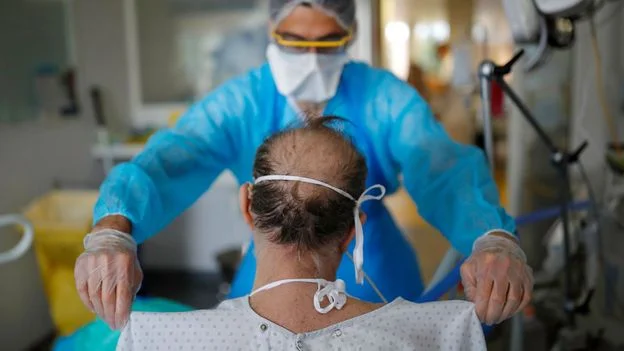
Now a new study further points out that even patients who are ill with Coddy-19 in a harsh way may suffer serious neurological complications such as shock, crisis, motion disorder. More than that, such deterioration is much more common than previously thought. The research has just been published in the American Academy of Neurology Clinical Practice. Directed by Pria Anand of the University of Boston Medical School, the study shows above all that even in the absence of serious illness, neurological disorders are quite frequent.
Serious Compliments
The study included 74 patients who proved positive for Covid-19 between April 15th and July 1, 2020, and were treated at a hospital in Boston, Massachusetts.
In the institution, which cares for people with low incomes that do not have high potential, patients were also praised from a neurologic perspective.
Average age was 64, and 47 of the 74 patients had a history of neurologic disease. In hospital 18 of these patients suffered a stroke, 15 seizures, 26 mental confusions, and jerks.
Seven people had motion disorders, five of them miocleans, a sudden muscle contraction. A patient developed autoimmune encephalitis, a rare and complex disease in which the body's immune system attacks itself (the patient's condition improved after cortichosteroid management).
All the complications that occurred were independent of the severity of the Sars-CoV-2 infection.
Serious Inability
Ten of the hospital patients died. The survivors left the hospital with a limited capacity, on average severe compared to the slight disability before accepting the point that many were no longer able to live alone at home but had to seek nursing care at home. Others have turned to long - term rehabilitation centers or hospitals.
“requested further research to better understand the spread of neurological complications caused by Covid” clarified Pria Anand, the first author of the study who also highlighted the search limits: “We plan to conduct further studies to help identify the factors that can predispose people for neurologic complications in order to search prevent methods. “