12 hours ago
From Memory to Intelligence: 8 pieces of chess
Periskopi(6 years ago)
(6 years ago)Chess game is loving all over the world. From Amsterdam to Yengzhou, people gather in living rooms, squares, and libraries to play chess. Shah is a very intense game, and believe it or not, positively affects your mind's health. Shah develops the ability to look from someone else's point of view [...]
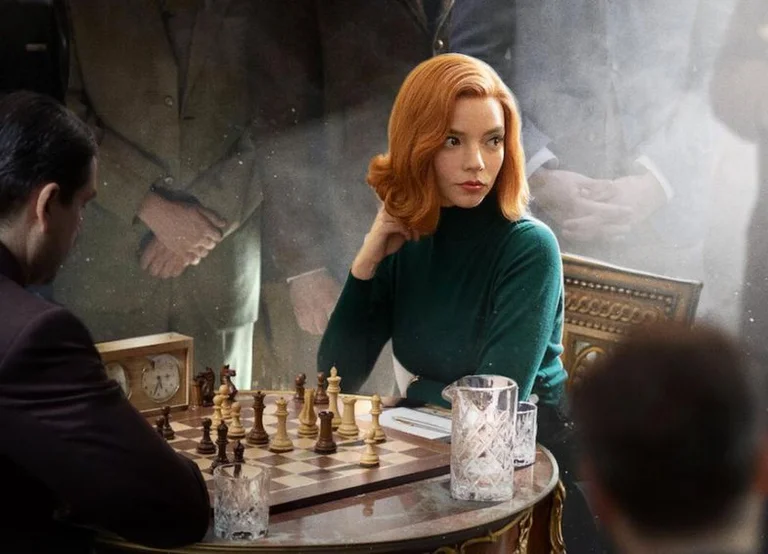
Chess game is loving all over the world. From Amsterdam to Yengzhou, people gather in living rooms, squares, and libraries to play chess. Shah is a very intense game, and believe it or not, positively affects your mind's health.
Shah develops the ability to look from someone else's perspective
Skilled chess players learn to predict the future movements of an opponent. To predict what another person will do, a player must develop the ability to adapt to another person's perspective to understand the next moves. Behavioral experts call this ability to look from a different perspective like “theory of the mind”, which is a fundamental ability to build healthy social relationships.
Check improves memory
Above all, the game includes memorizing numerous combinations of movements and their possible results. Chess players also have a better ability than the average of people to remember and quickly recognize visual patterns, which researchers say comes from memorizing the complex chess positions.
Chess Increases Intelligence
People with a lot of chess experience have developed thinking skills in two fields (in addition to memory skills):
1. Fluid intelligence: The ability to consider new types of problems and to use the reasoning to solve them.
2. Speed processing: The ability to understand tasks quickly and to respond effectively to challenges.
Studies have shown that both forms of intelligence were present in chess experts.
Shah improves creativity
Researchers at a school in India tested the creative thinking skills of two student groups. One group was trained to play chess, and the other was not. Tests urged students to find alternative uses for common items and to interpret models and meanings in abstract forms. Researchers concluded that chess enhances students ' ability to exercise creative thoughts.
Check improves planning skills
Chess are known for their long periods of silent thinking, during which players take into account each movement. They spend time predicting the answers of their opponents and trying to predict everything. This habit of thinking is one of the benefits of chess.
Shah can make therapy more effective
Some therapists play chess with patients as a means to increase awareness and build more effective therapeutic relationships. Viewed as a strategy of creative therapy, chess allows you to see reactions to stress and challenges when they are presented during a match.
The shah can offer protection from the development of delinquency
In a 2019 study, scientists found that complex chess requirements regarding mental flexibility can help protect older people. Researchers found evidence that the game, which improves memory, calculation, visual-space skills and critical thinking skills, can help with growing problems.
The shah can improve ADHD symptoms
In a 2016 study involving 100 school - age children with hyperactivity disorder and lack of attention, researchers included regular chess game as a multiplanet approach. Children who took part in this treatment method suffered a 41% drop in both unwary and overactive after treatment course.
Are There Special Chesses for Children? Studies show that chess enhances children's skills:
-the ability to solve problems;
-Social skills and relationship building;
- Thinking disabilities.
Source: Healthline, We bMD