13 hours ago
Mavios: What is and why they cause it
Periskopi(6 years ago)
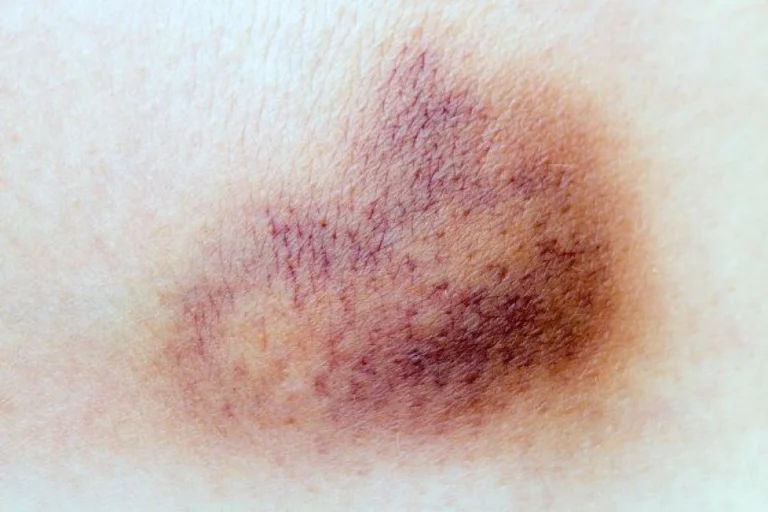
(6 years ago)The bruises occur when blood vessels explode and bleed beneath the surface of the skin. They usually occur because of muscle damage and related tissue. United blood forms a dark purple stain on the skin and gradually fades when the blood collected is absorbed in the body. Small wounds do not require treatment. In case [...]
The bruises occur when blood vessels explode and bleed beneath the surface of the skin. They usually occur because of muscle damage and related tissue. United blood forms a dark purple stain on the skin and gradually fades when the blood collected is absorbed in the body.
Small wounds do not require treatment. In case of impact, use Rice's classic method: rest, ice, compression (the opening of the damaged area) and lift (the growth of the damaged area to a level above the heart).
Some people bruise faster than others, some of the main reasons:
Age: As skin and blood vessels grow older, your skin loses collagen and elastine, and you are more predisposed to bruise quickly.
You're taking framing or soothing blood vessels: taking the blood-smalled warfarin and using nonsteroid anti-inflammatory drugs like aspirin and ibuprofen can lead to faster bruises, especially to people who often use these drugs.
You are using steroids: bruises can happen more easily in people who receive cortichosteroids, asthma drugs, eczema, or rheumatoid arthritis.
The number of blood clots is low: If bruises happen to you often and you appear without reason, it means that you have thrombocitis disorder.
You have liver problems: usually liver sufferers have lower blood clots and you need blood clotting, which can cause frequent bruises.