13 hours ago
The mask gives you trouble breathing? Find out how to strengthen your lungs

Periskopi(6 years ago)
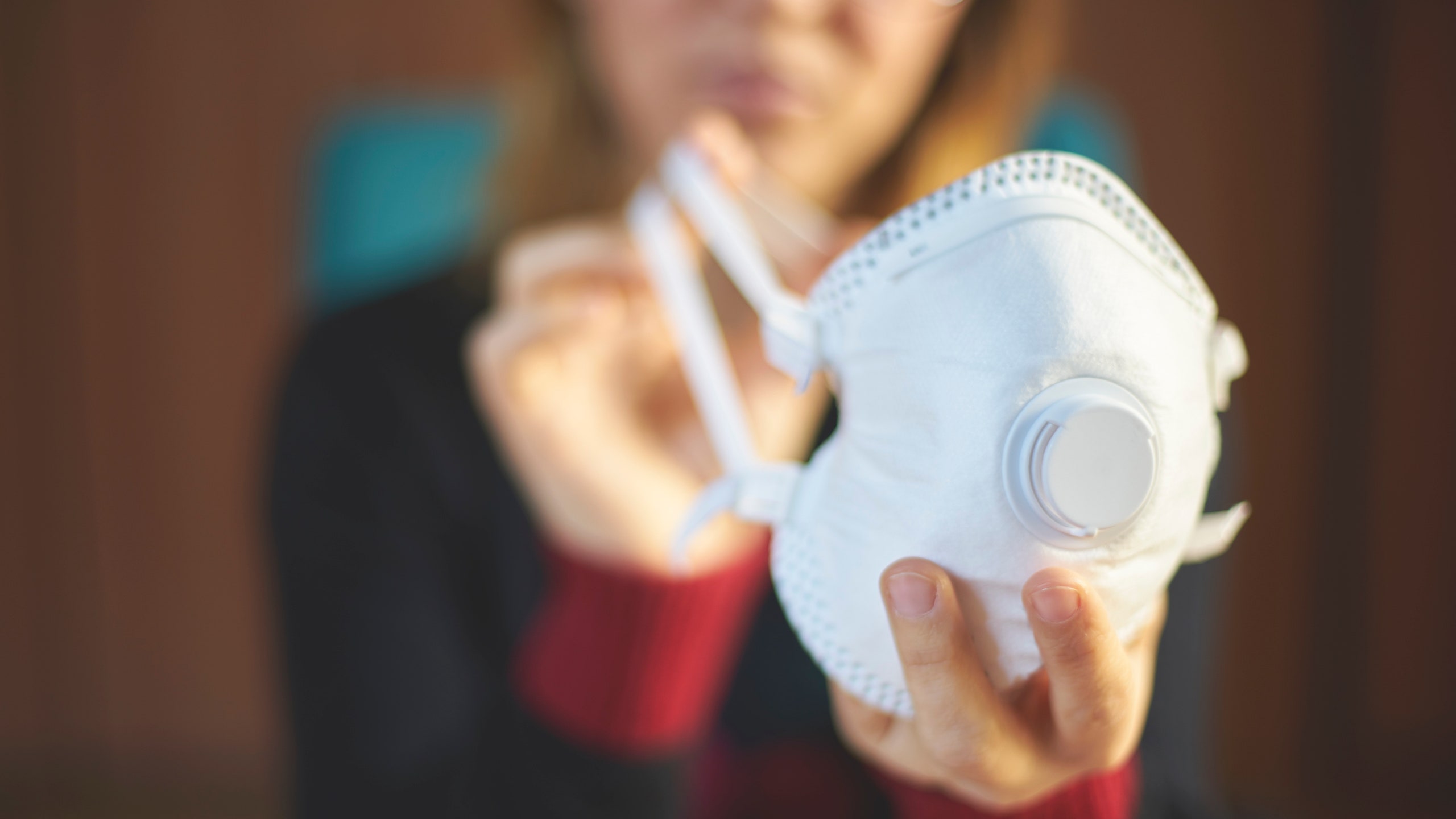
(6 years ago)The use of masks has become an integral part of our lives since the pandemic invaded the world. Keeping the mask has become a new normal for us where we can't leave home without it because it's turned into a legitimate request unfortunately, masks can make breathing difficult and not feel [...]
Unfortunately, masks can make breathing difficult and uncomfortable.
How do masks affect your breathing?
Our lungs are responsible for bringing oxygen into our system and getting carbon dioxide. This method is called breathing. Setting a narrow mask or keeping it for long periods can block carbon dioxide, which can be dangerous to your health. Strengthening the lungs is one of the best ways to develop tolerance of CO2.
How can you strengthen your lungs?
Diaphragmous Breathing
Diaphragming or breathing in your stomach can help you to strengthen your diaphragm muscles, which, in turn, helps your lungs function more effectively. It plays diaphragm and helps the lungs to fill up with air by moving down and then pushing air from the lungs as it moves back up.
Training
When you exercise, your body becomes more efficient in taking oxygen into your blood and transporting it to the muscles that work. When you exercise regularly, your muscles will require less oxygen and carbon dioxide, which will help strengthen your lungs. It can also help boost your strength and muscle function.
Stay hydrated
Drinking enough water is essential, since dehydration can make the mucus thick and sticky. This can slow down your breathing and make you vulnerable to disease and allergies. So drink water all day long to strengthen your lungs and control your general health.
Improve Your Conduct
Did you know that bad behavior can affect your lung health? Some studies have shown that poor behavior reduces lung capacity and respiratory flow, which can lead to respiratory disease. Sit down and stand straight without bending back and hold your chest up.
Antioxidant Consumption
Fruits and vegetables containing antioxidants can protect the lungs from oxidative damage by supporting the normal hydration of respiratory surfaces, according to a study published in Maedica a Clinical Medicine Journal. Manaphers, fruits, nuts, chocolate, red wine, green tea, tomatoes, vitamins C and E-rich foods are some of the best sources of antioxidants that you can include in your diet.
Avoid Smoking
You probably already know that smoking can increase the risk of lung diseases, such as chronic pulmonary obstructural disease (COPD). When smoking, absorb a thousand chemicals, including nicotine, carbon dioxide, and tar, which can harm your lungs. Regardless of how old you are, quitting can help strengthen your lungs.