12 hours ago
Where are anxieties and stress processed?
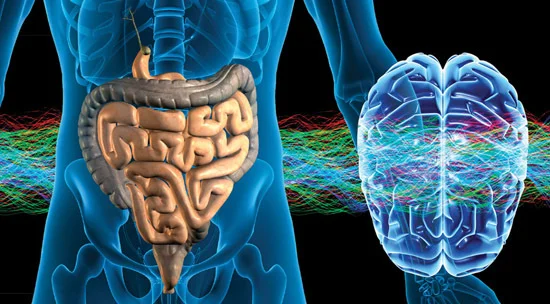
Periskopi(6 years ago)
(6 years ago)The stomach's brain regulates emotions, metabolizes anxiety, absorbs worries, and sends signals that psychosomatics can know well. In the common speech, we find ancient words, phrases made about the digestive system that hide a scientific substra of very high social and cultural value: “having butterflies in your stomach”, “
The stomach's brain regulates emotions, metabolizes anxiety, absorbs worries, and sends signals that psychosomatics can know well. In the common speech, we find ancient words, phrases made about the digestive system that hide a scientific substrat of very high social and cultural value: “having butterflies in your stomach”, “having the stomach of...”, “having a stone in your stomach...”, are all sayings that identify the womb as the place of the deepest feeling.
The stomach, the real place of the belly brain.
It is not only predisposed to digest all kinds of food, our stomach must also deal with the metabolism of anxiety and stress, with negative consequences to our well - being. In addition to vital functions, it receives emotional status, functioning just as the brain does - affected by tensions and concerns that accumulate during the day and disturb us at night.
In fact, when we are fed, we unwittingly take much more air than we need; then we are unable to extract it from our nose or mouth and accumulate it into our stomach. The boat hardens, muscles contract and experience spasms, pain, burns, diarrhea, or constipation. Furthermore, according to recent scientific research, the womb will be equipped with <x0morial” so that our anxieties can fix themselves, leaving behind effects after some time: for example, those who suffer from irritated intestines are most likely to struggle with the typical cocolic of pediatric age.
How can we improve stomach health? Relaxing!
Our digestive system, like that neuron, also releases psychoactive substances like serotonin, dopamines, which have a huge impact on our mood. In reality, stomach and brain cells change information and cooperate in well - being hormone management. An excess growth of serotonin in acute times of stress has negative effects on the functioning of our digestive system, which tends to swell and harden, causing us pain and deterioration.
Contact your general physician to find out the reasons for your health and to exclude other diseases. Once you have found that your illness depends on an excessive load of stress and emotions, you must learn to manage your mood by working on your own, psychologically and physically.