3 hours ago
How long do antibodies last on people who have crossed the coronary? News isn't good.
Periskopi(6 years ago)
(6 years ago)The levels of human defense antibodies fade rapidly after coronary infection, researchers say. Antibodys are a major part of our immune protection and prevent the virus from entering the body cells. Imperial College London team found that the number of people resulting positive for antibodies has dropped by 26% between June and [...]
The Imperial College London team found that the number of people resulting positive for antibodies has dropped by 26% between June and September. They say immunity seems to be fading and there is a risk of taking the virus several times. In Great Britain the number of people with antibodies dropped by more than a quarter between summer and autumn.
“Immunity is fading rapidly, we are only three months after the first round of tests and we are already showing a 26% drop in antibodies,” said Prof Helen Ward, one of the researchers.
The decline was greater in people over 65 years of age, compared to younger age groups and the unobtrusive ones, compared to those with Covid-19 with symptoms.
The number of health - care workers with antibodies remained relatively high, which researchers suggest could be due to regular exposure to the virus.
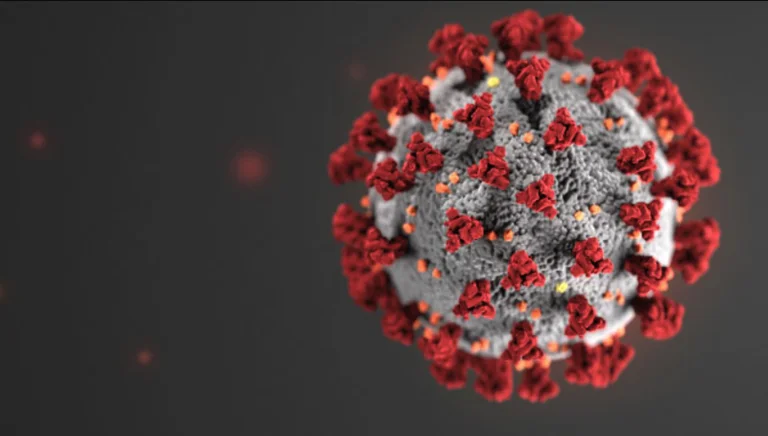
Antibodies climb to the surface of the coronary to prevent it from taking over our body cells and attacking the rest of the immune system.
Exactly what the drop of antibodies for immunity is still uncertain. There are other parts of the immune system, such as T cells, which can also play a role, directly killing infected host cells and “calling other immune cells to help”.
There are four other human coronarys that we catch several times in our lives. They cause common cold symptoms, and we can become infected every six to 12 months.
Many people have mild or asmptomatic infections.
Two out of every three people who proved positively to be coronavirus in a study published by the National Statistics Office today did not experience any of the major symptoms of the coronary.
In the meantime, there have been very few confirmed cases of people infected with Coddy twice. However, researchers warn that this may be due to immunity that has just begun to fade since the highest levels of infection in March and April.
Hope is that the second infection will be easier than the first one, even if immunity falls, as the body should have a “immune memory of the first meeting” and know how to fight again.