6 hours ago
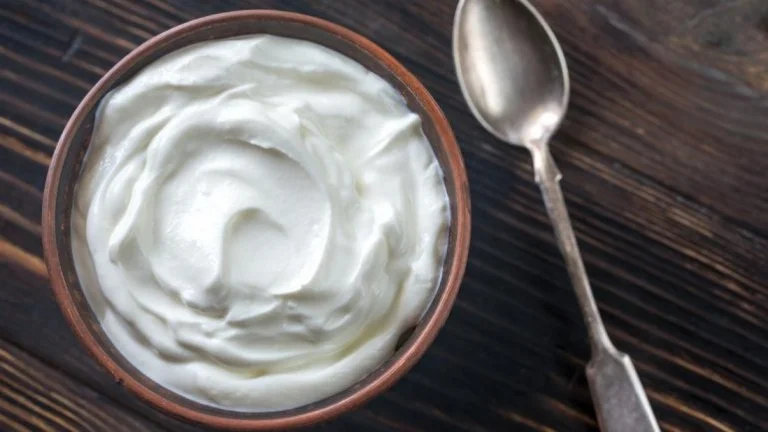
Consumption of yogurt can reduce the risk of breast cancer
Periskopi(6 years ago)
(6 years ago)Three scientists recommend consumption of natural yogurt, which contains useful bacteria that relax inflammation. These bacteria are similar to those found in breast milk. Their suggestion is that these bacteria are protective because breast - feeding reduces the risk of breast cancer. Scientists say that their idea was [...]
Three scientists recommend consumption of natural yogurt, which contains useful bacteria that relax inflammation. These bacteria are similar to those found in breast milk.
Their suggestion is that these bacteria are protective because breast - feeding reduces the risk of breast cancer.
Scientists say that their idea, which has not yet been proven, is supported by available data, which is that bacteria - induced inflammation is linked to cancer.
Consumption of yogurt also relates to a reduced risk of breast cancer.
The study was published in Medical Hippotosis by Professor James Morris by Morecamb Bay University Hospital NHS Foundation Trust and his colleagues.
Kosi contains beneficial bacteria for lactose fermentation, similar to bacteria found in mother's breast milk.
Dr. Rachael Riggby of Lancaster University said: “Now we know that breast milk is not sterile and that lactation changes breastfish. The lactose fermented bacteria are found in breast milk and are likely to develop in the breast canal of women during lactation and an unknown period after lactation. ”
Scientists suggest that these bacteria, which fermented lactose in the breast, are protective because each year breast - feeding reduces the risk of breast cancer by 4.3%.
Other studies have shown that yogurt consumption is linked to a reduced risk of breast cancer, which, according to researchers, may be due to the removal of harmful bacteria from useful bacteria.
Researchers conclude that stem cells separated to replenish the bay canal are affected by microferries.
Some components of the microflower have been identified in other organs, in colon and stomach, increasing the risk of cancer.
Hence, a similar scenario is likely applied to the breast, where the bacteria that live there influence the division of stem cells and ultimately the risk of developing cancer.