15 minutes ago
The history of the bleeding mother set itself on fire after the bodies of dead boys from Serbia returned

Periskopi(7 years ago)
(7 years ago)Vetevendosje has commemorated Paske Markaj from Gjakova, who set her on fire after returning the lifeless bodies of her two sons to war. The delegation that visited Pashke Markaj's tomb has remembered the history of the bleeding mother, who resurfaced the remains of her two sons in 2003, then burned herself. Posting [...]
Vetevendosje has commemorated Paske Markaj from Gjakova, who set her on fire after returning the lifeless bodies of her two sons to war.
The delegation that visited Pashke Markaj's tomb has remembered the history of the bleeding mother, who resurfaced the remains of her two sons in 2003, then burned herself.
Full VV post:
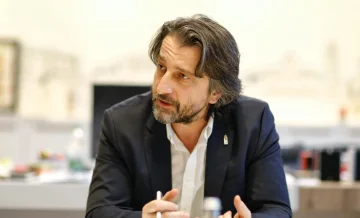
Today, a group of activists from the V Movement Centre In Gjakova, made up of the mayor, Agon Batusha, MP Arberie Nagavci, an assemblyist, members of the leadership, and other activists paid tributes at Pashke Markaj's tomb in Korea.
Mother Pashke's name and her story are not unknown to our city, but they must be known and remembered from all over the country. On April 27, 1999, in the macabre massacre carried out by Serbian occupier in the villages of Mea and Korea, there were two sons of Mother Pashke, Giovanni and Milan.
As has happened to many others, though they were killed, Giovanni and Milan were named extinct until 2003, when their troops returned and redependent. The four-year wait turned into a centuries-old agony for Mother Pashke. Although the final thread of hope for their return alive had not yet been burned, she had claimed that she would no longer live unless the boys returned alive.
On May 24, 2003, Giovanni and Milan had returned and were now reevaluating. That last thread of Mother Pashke's hope that they might return alive already burned. Just three days later, Pashke's mother set herself on fire to end her life and pain for her sons. Self - sacrifice like that of Oso Kuke at Malchis Lahat, which Pashke knew by heart, is not unknown to our people.
However, the pain and revolt of a mother who was kidnapped, murdered, taken away by the bodies of her sons, who were set on fire, is the basic sacrifice of their own kind. Mother Pashke made us remember the resistance and sacrifice of all women mothers, wives, sisters, daughters, throughout our history.
It does not let us forget for a moment that justice in each case is the minimum that should be required for their dignity because their time and suffering are irreversible and unforgettable. These stories and the necessity of justice cannot be forgotten for a moment.
They are fresh and should be remembered especially at this time when very easily discussed compromises with Serbia and the partition of Kosovo.