37 minutes ago
Economic growth does not cope with the influx of young people who want jobs

Periskopi(6 years ago)
(6 years ago)The year 2019, it was announced as a year of economy in Kosovo by the government now on the run. But despite a little over 4 percent increase, the Government of Kosovo has introduced it, according to experts, no major positive change has taken place in the economic plan. Problems such as unemployment, poverty, and high trade deficit, [...]
The year 2019, it was announced as a year of economy in Kosovo by the government now on the run.
But despite a little over 4 percent increase, the Government of Kosovo has introduced it, according to experts, no major positive change has taken place in the economic plan.
Problems such as unemployment, poverty and the high trade deficit, according to experts, continued to have a trend nearly the same as previous years.
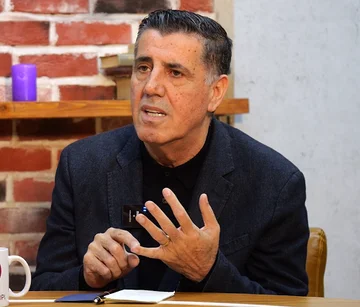
Economics expert Naim Gashi in a conversation for Radio Free Europe says 2019 cannot be considered a year of economy. According to him, economic growth in Kosovo relied on high consumption, not on public and private investments that occur within a national economy.
This economic growth, Gashi says, failed to address the economic and social problems facing the country.
The biggest disaster is that Kosovo's economy, despite economic growth of 4.2 percent, is failing to cope with the influx of 23 thousand young people who annually enter the labour market. If it were not for high immigration, Kosovo would face even greater economic difficulties”, Gashi says.
Unemployment in Kosovo, according to data from the Kosovo Statistics Agency during 2019, is 29.6 per cent. Of the more than 1.2 million Kosovo citizens, who are estimated to have working age, employed are about 350,000 citizens.
Another trend, according to Naim Gashi, negative that has followed the economy during 2019, is the decline of foreign direct investments. He says it was an indicator showing that Kosovo's economy is not attractive to foreign investors who, Gashi says, are vital for long-term economic growth and job generation.
The negative trade balance, Gashi emphasises, is another problem that has conveyed Kosovo's economy.
“Import has exceeded 3 billion euros, and this shows that local production is failing to meet consumer needs within Kosovo, and the ready money “cash” that is mainly coming from the diaspora is going to purchase goods abroad”, Gashi adds.
On the other hand, the Kosovo Central Bank at a recent conference held last week has assessed 2019 stable in financial terms.
Central Bank of the Republic of Kosovo Governor Fehmi Mehmeti has indicated that the banking sector in 2019 had a high credit increase, improved conditions for private sector access to credit, and increased financial sustainability.
By the end of October 2019, bank sector loans, according to CEC data, have reached 2.98 billion euros. The main source of banking sector activity continues to be deposits, the amount of which during this period reached 3.75 billion euros.
Mehmeti has said that given preliminary estimates, economic growth for 2019 is expected to be around 4.2 per cent.
This growth is largely supported by increased investments and improvements in net exports. Similar growth recovery, according to CEC forecasts, is expected in the coming year”, Mehmeti said.
On the other hand, economic experts expect the future Government of Kosovo, which is expected to be established in 2020, to focus on creating a favourable political and institutional climate, strengthening order and law, and improving infrastructure in terms of public services.
Another key element is that it needs to be invested more in the education system and become an interconnection of the education system with the labour market for the fact that we are having thousands of young people finishing studies and in fact not adequate for the Kosovo labour market”, Gashi says.
Kosovo's 2019 budget was 2.3 billion euros.