4 hours ago
Roadline of Dialogue, Legal Obligation of Future Government

Periskopi(7 years ago)
(7 years ago)If candidates for prime ministers continue to keep their pledges that they will lead with dialogue if they receive the government chief's mandate, President Thaci's role in the process will fade. This, according to political connoisseurs, is supported by the Constitutional Court's Act of Law [...]
If candidates for prime ministers continue to keep their pledges that they will lead with dialogue if they receive the government chief's mandate, President Thaci's role in the process will fade.
Such a thing, according to political policy connoisseurs, also has support from the Constitutional Court's Act on the Dialogue Law, writes the newspaper “Zeri” today.
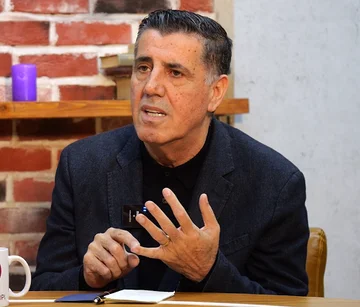
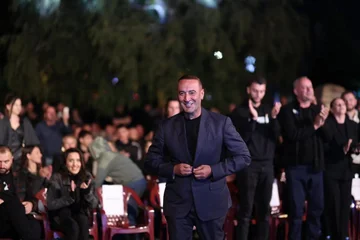
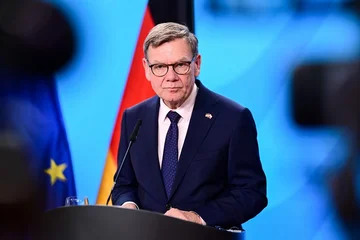
All candidates for prime minister from all political parties have indicated willing to lead the Kosovo dialogue -- Serbia -- in the event they come to the helm of the government after the 6 October elections.
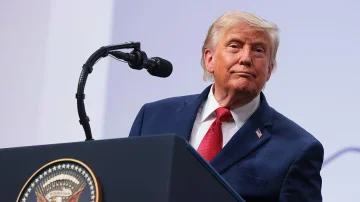
This process is considered to be among the most important issues the future government will deal with. But, unlike past governance, which had surpassed dialogue competencies to President Hashim Thaci, the same is not expected to happen with the new government, at least not according to what parties are declaring in the campaign.
Contact of political issues considers that President Thaci must step down from this process and the funding of dialogue to pass on to the incoming government.
That the government should have a leading role in the dialogue, the Constitutional Court's act of June 27th says. In this act, the Constitutional Court had found that the Government has a leading role in dialogue with Serbia, the president's role as adviser, while the Kosovo Parliament plays supervisory.