8 hours ago
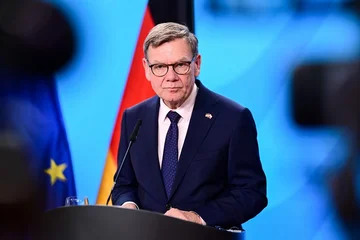
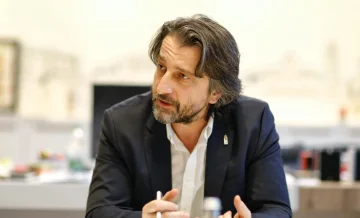
German analyst Johanna Deimel: EU needs to review new formats for Kosovo talks

Periskopi(7 years ago)
(7 years ago)An exchange of territories between Serbia and Kosovo is now “outside table” in dialogue with Serbia, but all sides must seize the moment created, says one analyst for BIRN. The European Union “should be open” for a new initiative by the Kosovo government that restructures Pristina delegation in talks with Belgrade [...]
An exchange of territories between Serbia and Kosovo is now “outside table” in dialogue with Serbia, but all sides must seize the moment created, says one analyst for BIRN.
The European Union “should be open” for a new initiative by the Kosovo government that restructures the Pristina delegation in talks with Belgrade and explicitly excludes any option for exchange of territories as the basis for an agreement to resolve relations between Kosovo and Serbia, a German expert for the region says.
In an interview with BIRN, Johanna Deimel, deputy director of the Southeast European Association with headquarters in Munich, said Germany's opposition has helped to reject the proposal for exchange of territories between Serbia and Kosovo, but that all sides should seize the new “ ” that has been created.
Kosovo's Parliament adopted a resolution in mid-December to establish a new negotiating team that included the government, a part of the opposition and civil society, and the deployment of a platform that rules out any change in Kosovo's borders.
It remains unclear where President Hashim Thaci, who currently represents Kosovo in EU-mediated negotiations with Serbian counterpart Aleksandar Vuciq, remains.
“
“I am sure this can serve as a good basis for serious negotiations on normalising relations, which I hope Germany will support in its capacities as an EU member state”.
Polls show people oppose division
Last year, Thaci and Vucic made public statements that sparked speculation that an agreement on changing the border between Serbia and Kosovo are close, under suspicion of exchanging Kosovo's Serb-dominated north with the Albanian-dominated Presevo Valley in Serbia.
The United States and the EU did very little to eliminate speculations, until German Chancellor Angela Merkel said at a press conference in August that the borders of the Western Balkans are “unremarkable”.
Deimel, who worked earlier for the International Civilian Office, the mission that supervised Kosovo immediately after the 2008 independence declaration, said opposition from Berlin, London and other EU capitals means that the ideas of border corrections and land exchange are outside the negotiating table.
Deimel noted recent remarks by EU foreign policy chief Federica Moghrini, in which she ruled out <x0 ethnic divisions among the” countries.
This is a very clear message, which shows that even Mogher is leaving and relying on the German stance that any agreement should not lead to monoethnic states”, Deimel said.
Ethnic division would be a return in the 19th century, a possible trigger for changes of borders elsewhere in the Balkans and a contradiction of European values, she said.
The most important is not what people want, Deimel said, citing a recent investigation by the Kosovo Democratic Institute, in which more than three-quarters of Kosovo Albanian respondents said they oppose any exchange of territory with Serbia.
Deimel said the EU currently lacked “leadership and capacity”, but this new momentum was created. For a long time no one knew what was on the table”, she said. “There was no information on the chat topics”, Deimel told BIRN.
The Balkan expert said Thaci lacks legitimacy and the internal support needed to sign an agreement.
Kosovo's “government opposes Vuciqi-Thaci negotiations, such as the opposition in Kosovo and the majority of the people there”, Johanna Deimel said. /Cashho. com