17 minutes ago
American Magazine: Serbia worked for exchange of territories

Periskopi(8 years ago)
(8 years ago)The difficult nature of the dispute, lasting for decades in the Balkans, is forcing lawmakers to consider solutions that the international community has long avoided. That's how it begins its “NewsWeek”, which underlines that Serbia has been working silently for an exchange of territories with Kosovo, seems the proposal is not [...]
Repointing borders could pave the way for Serbia to recognise Kosovo's independence, which would bring both countries closer to their goal of joining the EU.
The position of presidents Vucic and Thaci is already known, while the US and the EU have so far expressed against reviewing the borders, which would divide ethnic communities.
“It's like opening the pandoran cyquitine for dangerous precedents for countries like Ukraine, etc.”, says Richard Kramer, expert at the US Foreign Policy Research Institute.
Some analysts argue that an exchange of territories will have implications throughout the region, with Bosnia and Herzegovina most at risk. Even the Serbian Orthodox Church opposes the idea, as much of its cultural heritage is widespread throughout Kosovo, and any decision that would lead to recognition of Kosovo is not acceptable to it.
But the idea is becoming increasingly acceptable in political circles in Washington and even among some politicians in Pristina.
Sir Ivor Roberts, former British ambassador to Yugoslavia, has publicly argued that an exchange of territories would be the only way to convince Serbia to recognise Kosovo.
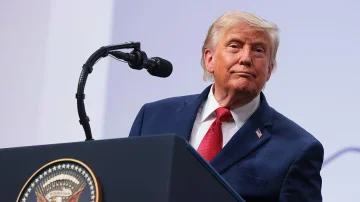
The US State Department has not responded to requests for comment on this proposal. So far, the US has rejected partition, but some analysts say it is changing under President Trump's administration. In an interview given in July, US Ambassador to Kosovo Greg Delaway refused to rule out the possibility, which Washington could support partitioning Kosovo.