an hour ago
A lack of transplant law leaves patients in dyalisse

Periskopi(9 years ago)
(9 years ago)About 830 patients from Kosovo undergo two to three times a week. Many have already found donors within the family who are willing to donate their kidneys. But in Kosovo, there is no law regulating the issue of organ transplantation, and has found the research show “ ” at RTK three times a week, [...]
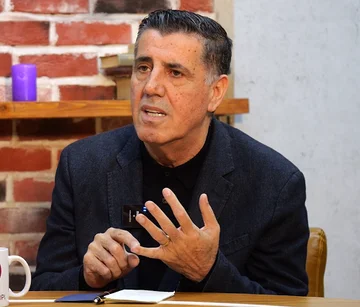
Three times a week, Hamit Hoti from Lipjan's Ribar, takes the road from his village for Pristina. He needs to travel to the QKUK where he does hehemodialis, since his kidneys are out of order for five years now. Hoti shemodyalis is performed at QKUK during Mondays, Wednesdays, and Fridays.
I usually come out here and wait for the Lipjan ambulance chair, pick us up and collect us some more. One is from my village, one in Kraisha and two, two other Gracks in the Lipjan municipality of”, says Hoti, while waiting for Lipjan's fast aid car that collects all the patients in this municipality and sends them to the CKUK Dialis.
It shows that transportation conditions are not good at all. We've got problems, we don't have enough, we've lost time, we've lost them. This year on January 6th, Lipjan Police have come and taken me home and taken us to Dialisza”, tells of the difficulties patients face, especially during the winter months.
February Sejdiu is another patient who joins him on the trip to Pristina with other lipjanians.
Car driver Ahmet Darimar himself has indicated that cars they use to transport patients are not adequate. Hykkiye Hoti is another patient who, in 1996, is subject to shemodialis.
I'm from 1996 on dialissis. Twenty-one years old. Three times a week. It's hard to stop being... ”, informs the woman from the municipality of Obilics, for the “show” in RTK.
The director of Nefrology Clinic shows the procedure of a dialysis for a patient.
Doctors speak of a large number of patients in the dialysis.
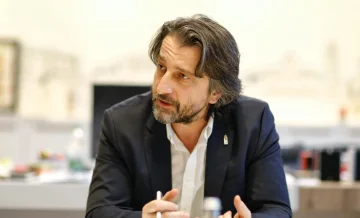
Ibrahim Rudhan, nephrologist at Kosovo University Clinical Centre, has told of RTK is exactly 830 patients subject to dyalis. “Costo is much bigger for patients in diialise”, he said.
Dr. Venera Hasangekaj Djuka is the director of Nephrology Clinic.
She has said that the overwhelming portion of patients perform the dial three times a week. “Session lasts four hours”, she says.
There are about 800 Kosovars subjecting to hehemodalis, which within the year spend up to 13m euros a year from the Health Ministry budget.
Kosovar doctors say the ideal solution for patients in dyalisis would be kidney transplants.
You need to find the donor for kidney donation, and because you find the donor you need to do your best for that problem. But the problem is that we run those” tests on us, says patient Hamit Hoti.
But while Hoti has a person inside the family who's willing to donate the kidney, such a fate does not have the next February patient, Sejdiu. I'm sorry.
Dr. Venera Hasangekaj, leader of neurology at KKUK, has said that it is family who express readiness for kidney donation. Transplants, according to her, are usually conducted in hospitals in the region, such as Albania, Skopje and Turkey.
“OV is what helps sick people who need transplant”, says Hasanjekaj,