6 hours ago
The giant expansion of Israeli settlements for 50 years, this is how it happened (Photo)

Periskopi(9 years ago)
(9 years ago)For casual visitors or tourist travelers through the conquered West Coast or Jerusalem, Israelite settlements may appear as another group of homes on a hill. The houses of the peripheral middle class, quickly constructed and closed into a network of uniform units, stand as fortified compounds in direct contrast to [...]
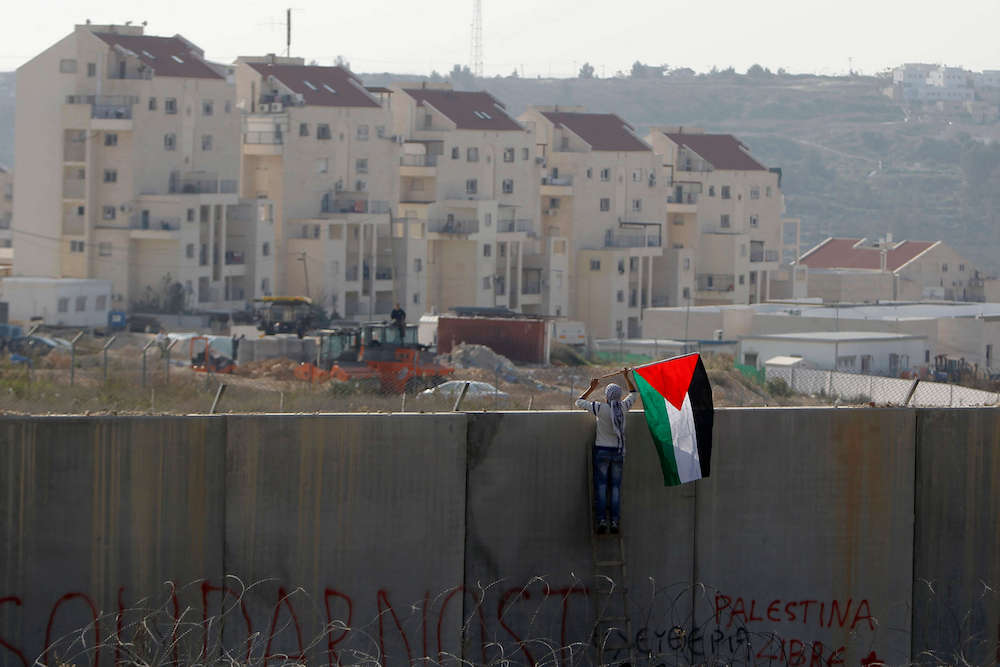
The houses of the peripheral middle class, quickly built and closed into a network of uniform units, stand as fortified compounds, in direct contrast to Palestinian limestone houses presented through several photos below.
The established houses, mainly made of cement with a layer of cosmetic limestone, tend to modify a similar view: American-style villas, led by red - clouded peaks surrounded by clean lush dates, reports “Al Jazeera”, broadcast Periscope.
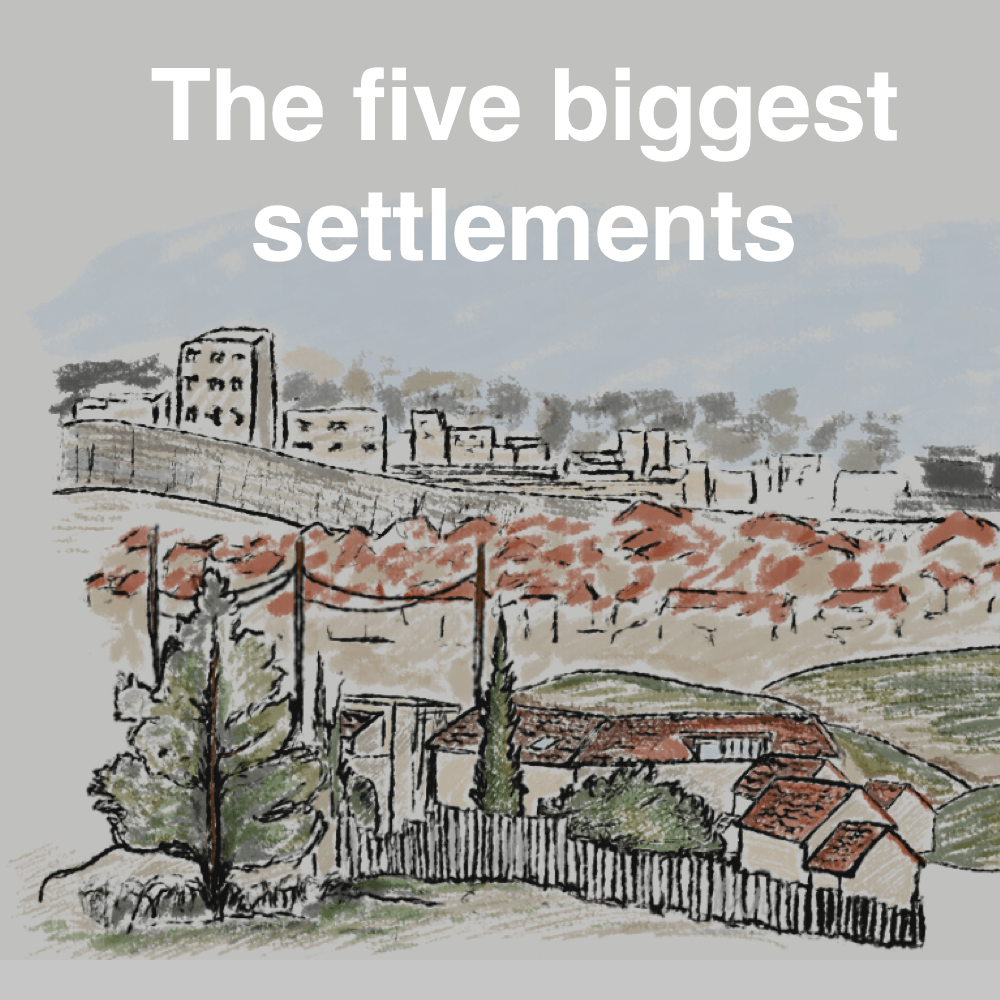
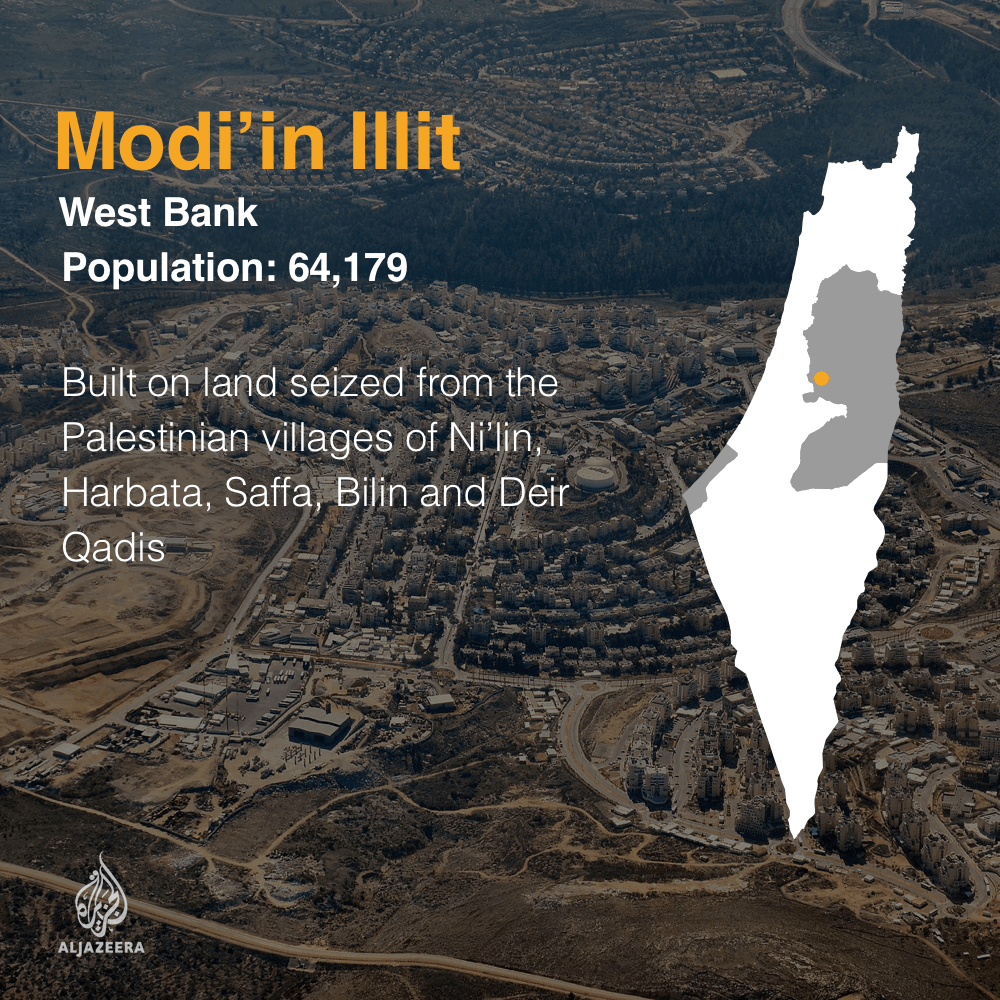
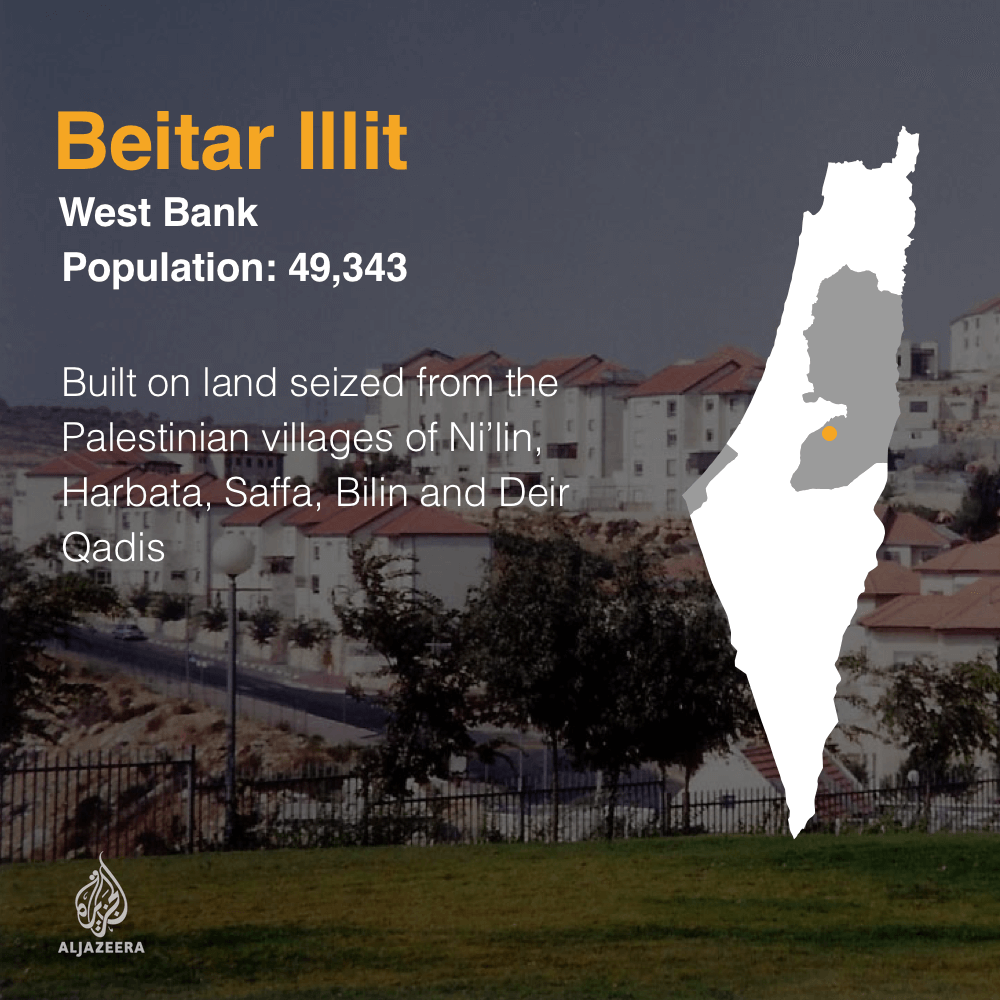
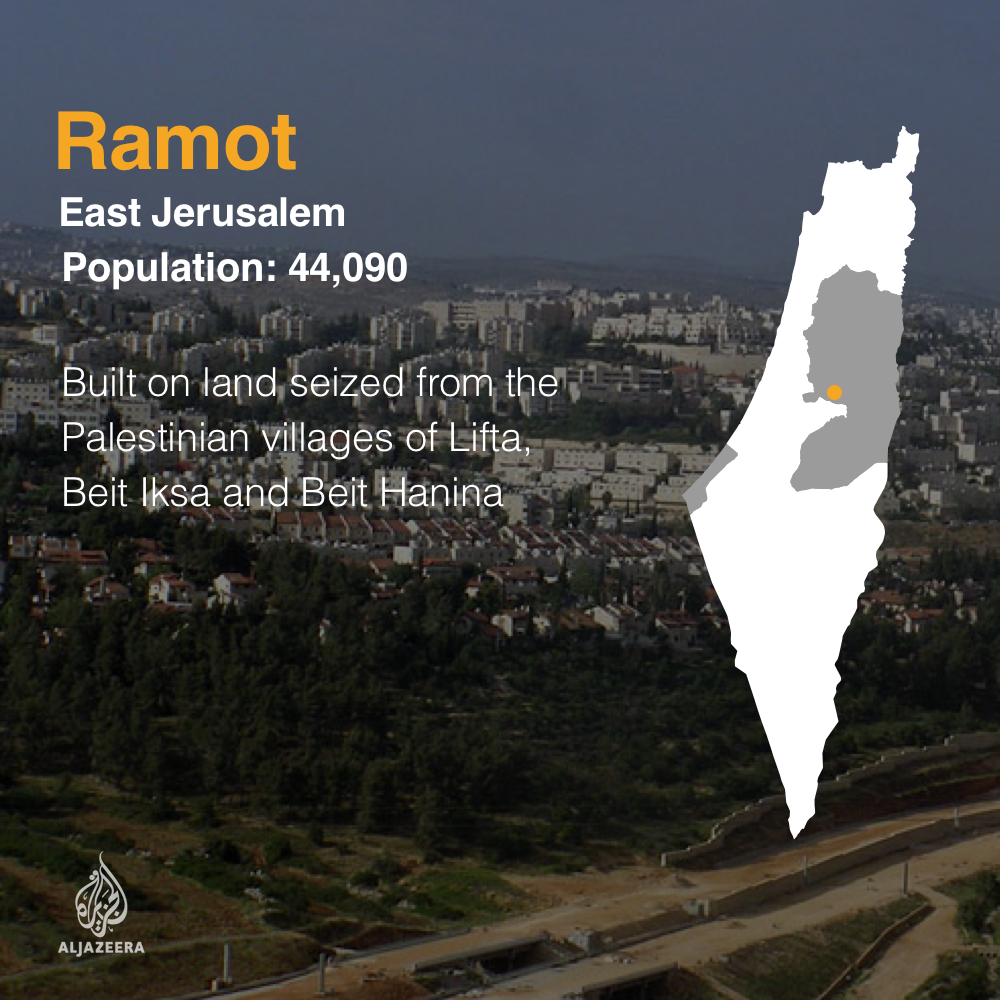
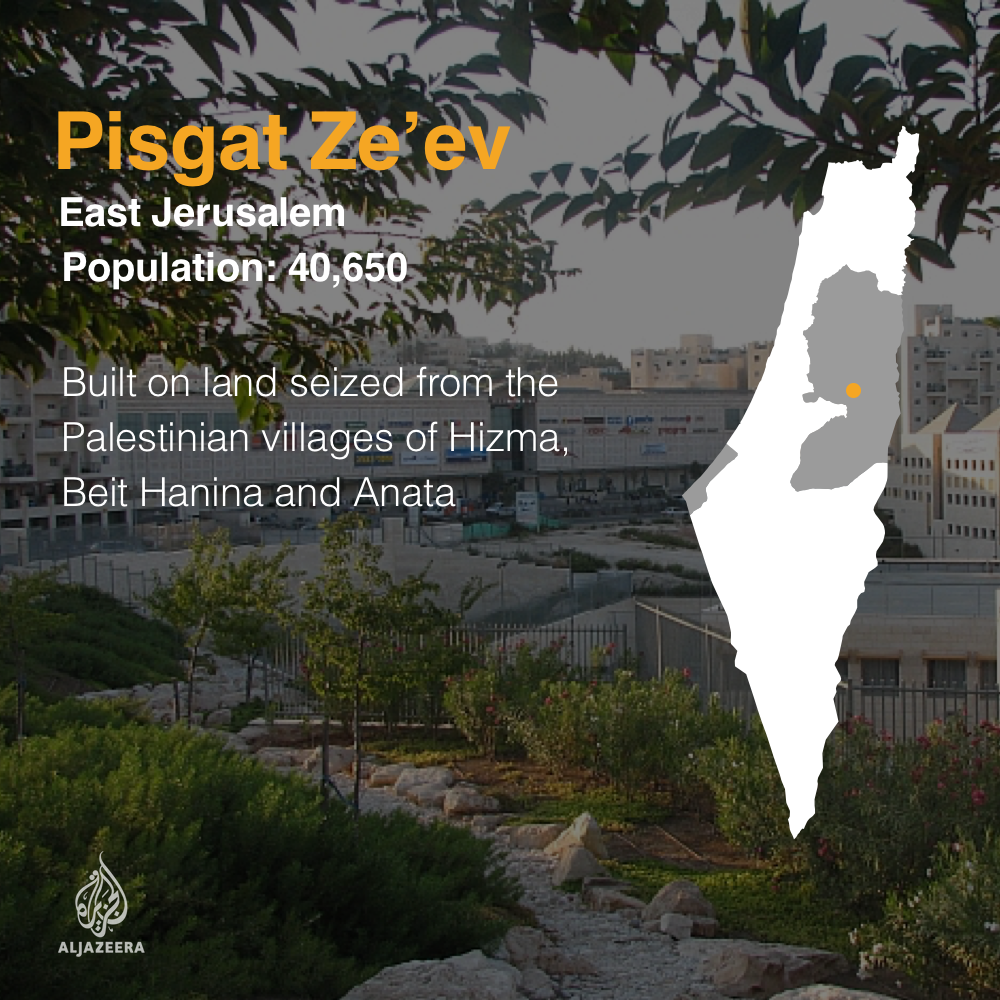
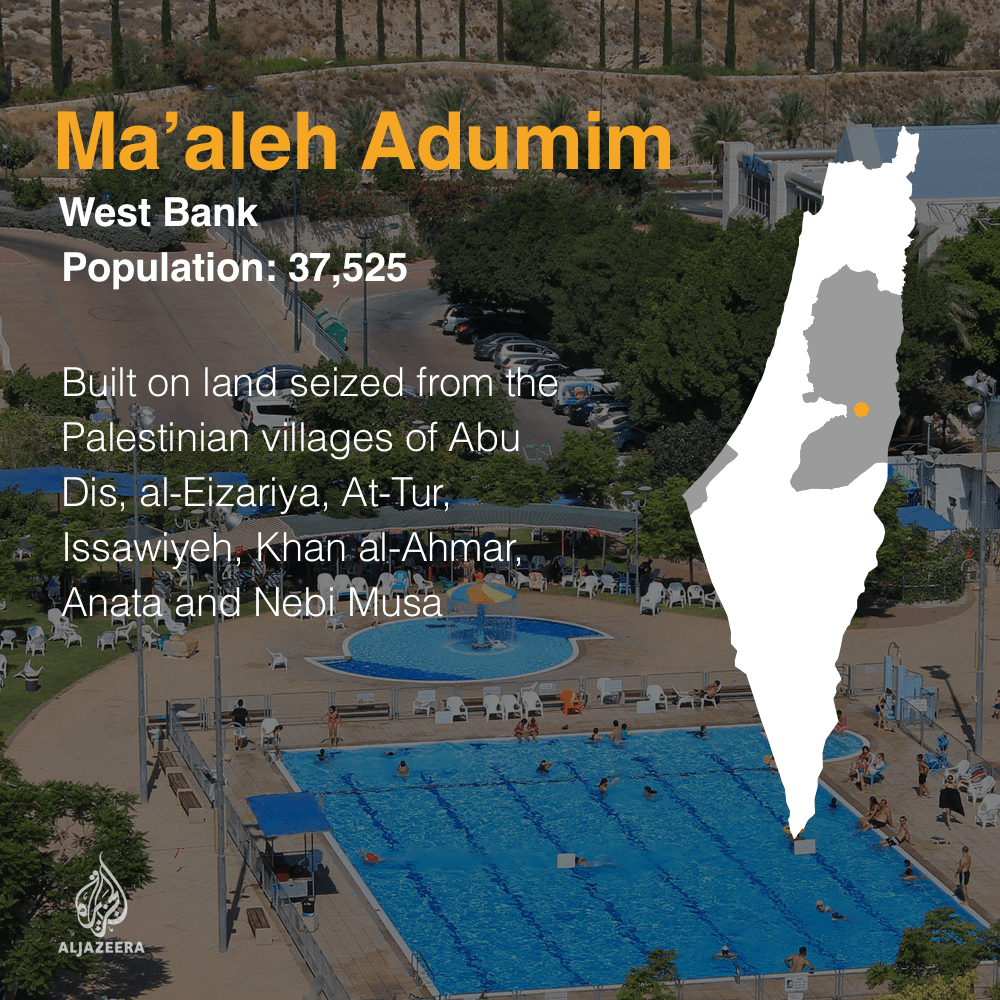
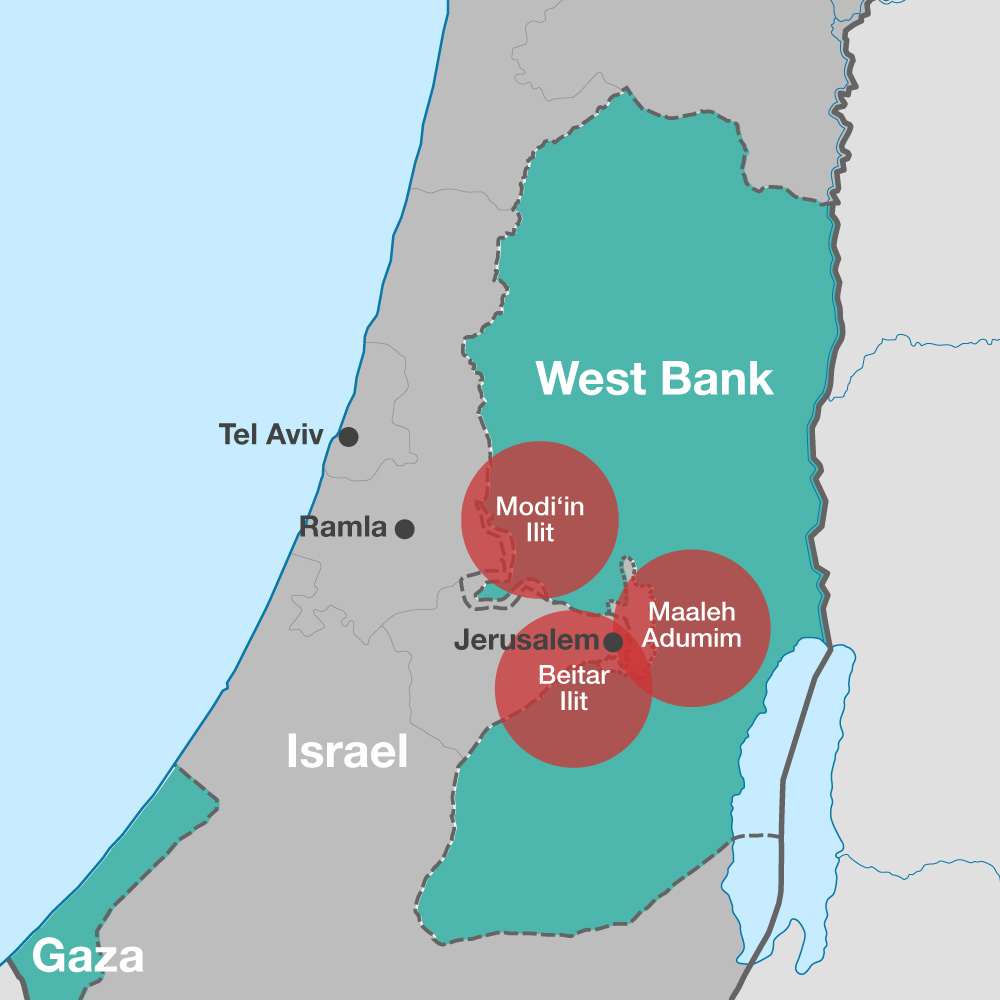
The largest settlement of Modíwin Ill, housing more than 64,000 Israelite Jews in the conquered West Coast. Mega-dweller has its own head as well as schools, shopping malls and medical centres.
Some villages also have their own universities.
Today, between 600,000 and 750,000 Israelites live in these considerable settlements, equivalent to approximately 11 percent of the Israelite population.
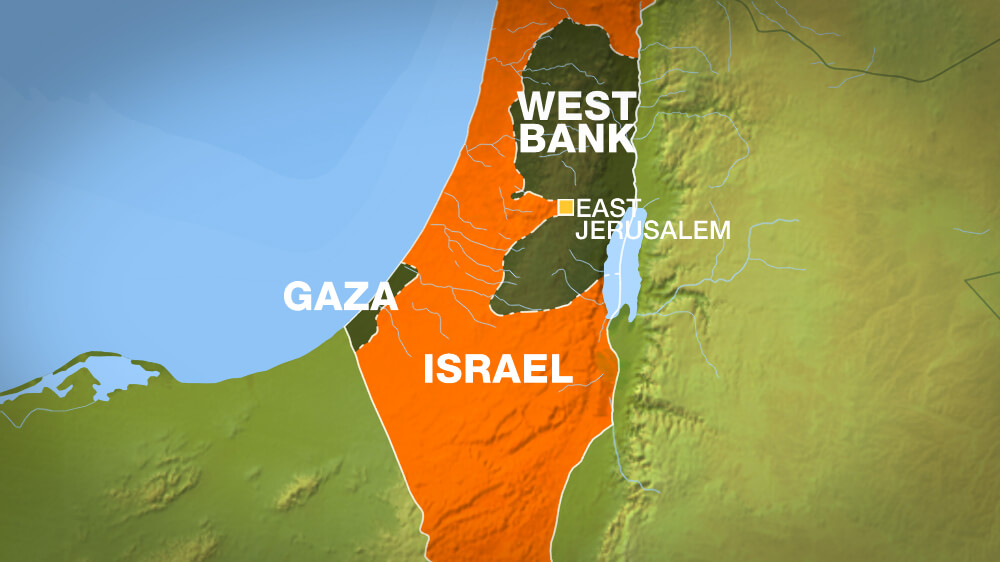
They live beyond the internationally recognized borders of their country on Palestinian land that Israel conquered in 1967, which included East Jerusalem and the West Coast.
Since then, the Israeli government has openly financed and built settlements for Israeli Jews to take refuge there, offering incentives and subsidised housing.
So why have these compounds of housing caused so much confusion and been called a threat to the prospect of peace in the Holy Land?
Follow this journey to find an objective answer.
Despite common faith, settlements are an inheritance of the pre - 1948 period before Israel's creation.
In the 1880s, the Palestinian Jewish community, known as Yishuv, reached three per cent of the general population. They were apolitical and were not intent on building a modern Hebrew state.
But at the end of the 19th century, the Zionist movement a political ideology rose from Eastern Europe, claiming that the Jews were a nation or race deserving of a modern-day Jewish “state”.
The movement, quoting the Bible faith that God promised Palestinian Jews, began to buy land there and to build settlements to strengthen their claims about the earth.
At that time, these settlements, built mainly on coastal plains and in the north of the country, were called “Kibutim” and “Mosavim”.
The first Kibuk Debonia was established in 1909 by Jewish European settlers. Tel Aviv, now Israel's economic capital, was also built in the early 20th century and was one of the first settlements.
The approach is known as “creating facts on the ground” ) placing a section in an area to ensure that it is part of a future and difficult state to release later.
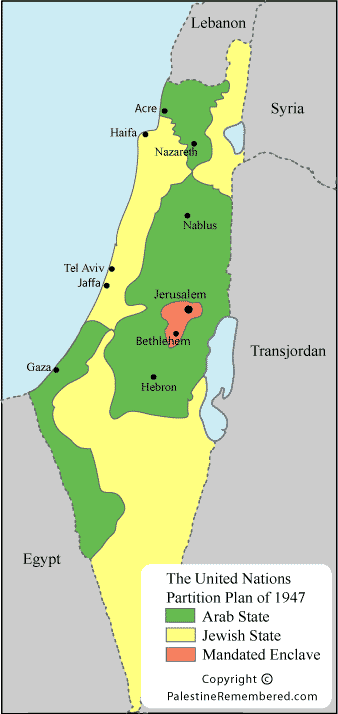
The distribution of settlements determined the map of the proposed United Nations division plan for the Jewish and Palestinian states in 1947.
Until 1948, before Palestine's ethnic cleansing from the Zionist movement, Jews had control over less than six percent of the earth.
What happened in 1948?
As European Jews began colonising Palestine ʹ highly driven by antisembite persecution in Europe, the balance of land control between Palestinians and immigrant Jews was largely displaced.
The project was facilitated by the British, who were occupying Palestine from 1917 to 1947 with the purpose of building a Jewish state.
Between 1922 and 1935, the Hebrew population grew from nine percent to nearly 27 percent of the general population, displacing tens of thousands of Palestinian tenants from their lands, while sinonists bought land from existing owners.
According to the 1947 UN Division Plan, the Jews separated 55 percent of the earth, including many of the main Palestinian - majority Arab cities and the important coast from Haifa to Jaffa.
The plan would deprive the Palestinian state of major agricultural lands and ports, which led Palestinians to reject the proposal.
Immediately after the release of UN Resolution 181, which called for division, war broke out between Palestinian Arabs and Zionist armed groups, which, unlike Palestinians, had won extensive training and weapons to fight alongside Britain in World War II.
Syonist paramilitary groups launched a violent process of ethnic cleansing in the form of major attacks, massacres and destruction of entire villages aimed at the mass expulsion of Palestinians to build up the Jewish state. By the end of 1949, the Jewish State had received about 78 percent of historic Palestine.
From the remaining Palestinian territories, the West Coast and East Jerusalem came under Jordan's control, while Gaza came under Egyptian control.
The international community recognised Israel based on the borders of 1948.
But less than 20 years later, in 1967 another Arab-American war broke out. During the fighting, Israel forcibly conquered the rest of historic Palestine, which consisted of East Jerusalem, the West Coast, and Gaza.
Israel also conquered the Egyptian Sinai Peninsula and the hills of Syrian Golan. With the exception of the Sinai Peninsula, all other territories remain busy to this day.
In response, UN Security Council members unanimously voted for Resolution 242 on November 22, 1967, just 50 years ago.
The resolution stated that Israel must withdraw from the territories confiscated in war and form the basis for all diplomatic negotiations after the Israeli-Palestinian conflict in the concept of “Land for peace”.
Israel, however, rejected the resolution and continues to violate it until this day, 50 years later, building settlements in territories destined for a Palestinian state.
What Israel Did to Jerusalem
Immediately after the 1967 war, Israel illegally annexed East Jerusalem and declared it part of its capital <x0) eternal, undivided”.
Annexation of East Jerusalem is not recognized by any country in the world because it violates certain principles of international law, which describes that an invading power has no sovereignty in its territory.
The international community, including the United States, officially considers East Jerusalem to be occupied territory.
However, since Israel considers the eastern part of East Jerusalem, it refers to settlements there as <x0WWallage”.
Israel's settlement project after 1967:
When the weapons fell silent in 1967, the Israelite State began building colonies or settlements for Jewish citizens on the newly conquered Palestinian land.
The settlements have become a hallmark of the Israeli colonial project in Palestine.
In the past 50 years, the Israeli government has transferred between 600,000 and 750,000 Jewish Israelites to the West Coast and to East Jerusalem. They live in at least 160 settlements.
This means that approximately 11 percent of Israel's Jewish population of 6.6 million now live on the conquered land outside Israel's internationally accepted borders.
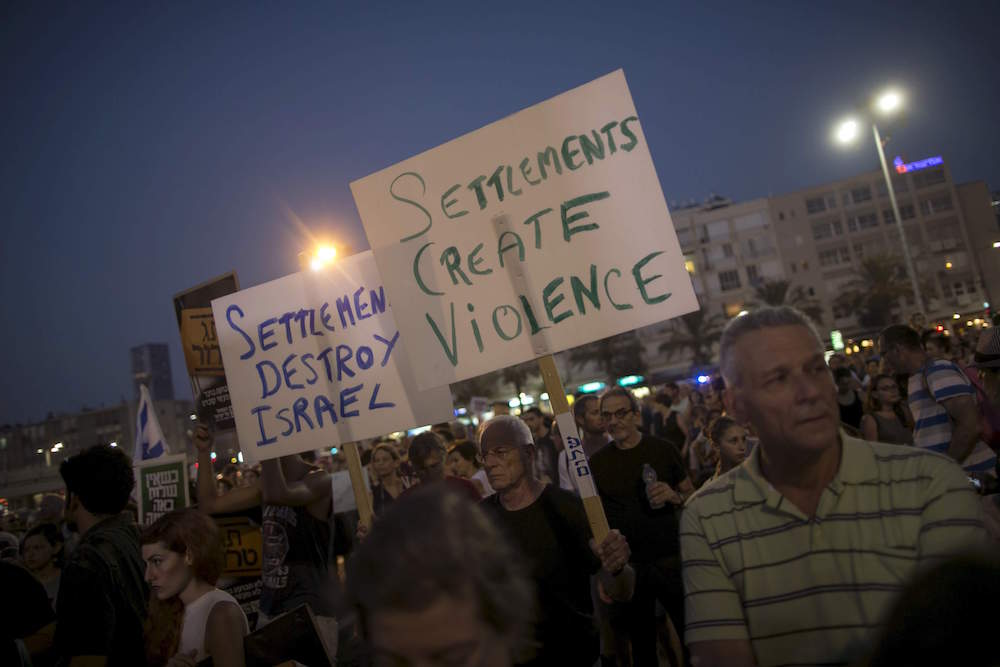
The dilemma of settlements and occupations has effectively divided the Israelites from among those who believe that it is their right to establish the land promised to the Jewish people and others who believe that settlements are a death penalty for Jews.
For religious Jews, the result of the 1967 war and the seizure of the rest of historic Palestine - especially eastern Jerusalem - that houses the Old Town ʹ led to a feeling of euphoria.
Thousands of Jews, including lay Jews, gathered on the West Wall, also known as the Al-Buraqi Wall for Muslims. They wept when they thanked for what they believed was a miracle from God.
Most Israeli Zionists, who oppose the settlement project however, believe in the Jewish state along the borders of 1948 and oppose Israel's expansion in occupied territories.
The Israeli government claims that the status of Palestinian territories is unclear, as there were no internationally recognised governments in territories prior to the 1967 war. The Israeli government argues it took over territory from Jordan, which had control of the West Coast and East Jerusalem between 1949 and 1967, while Egypt had control of the Gaza Belt.
Israel considers the West Coast to be the disputed “ ” territory and thus opposes the existence of a military occupation there; saying the Geneva Four Convention is not implemented. But the UN, the International Committee of the Red Cross, the International Court of Justice and the international community have all confirmed.
Israel also denies that any settlement is built on Palestinian private land.
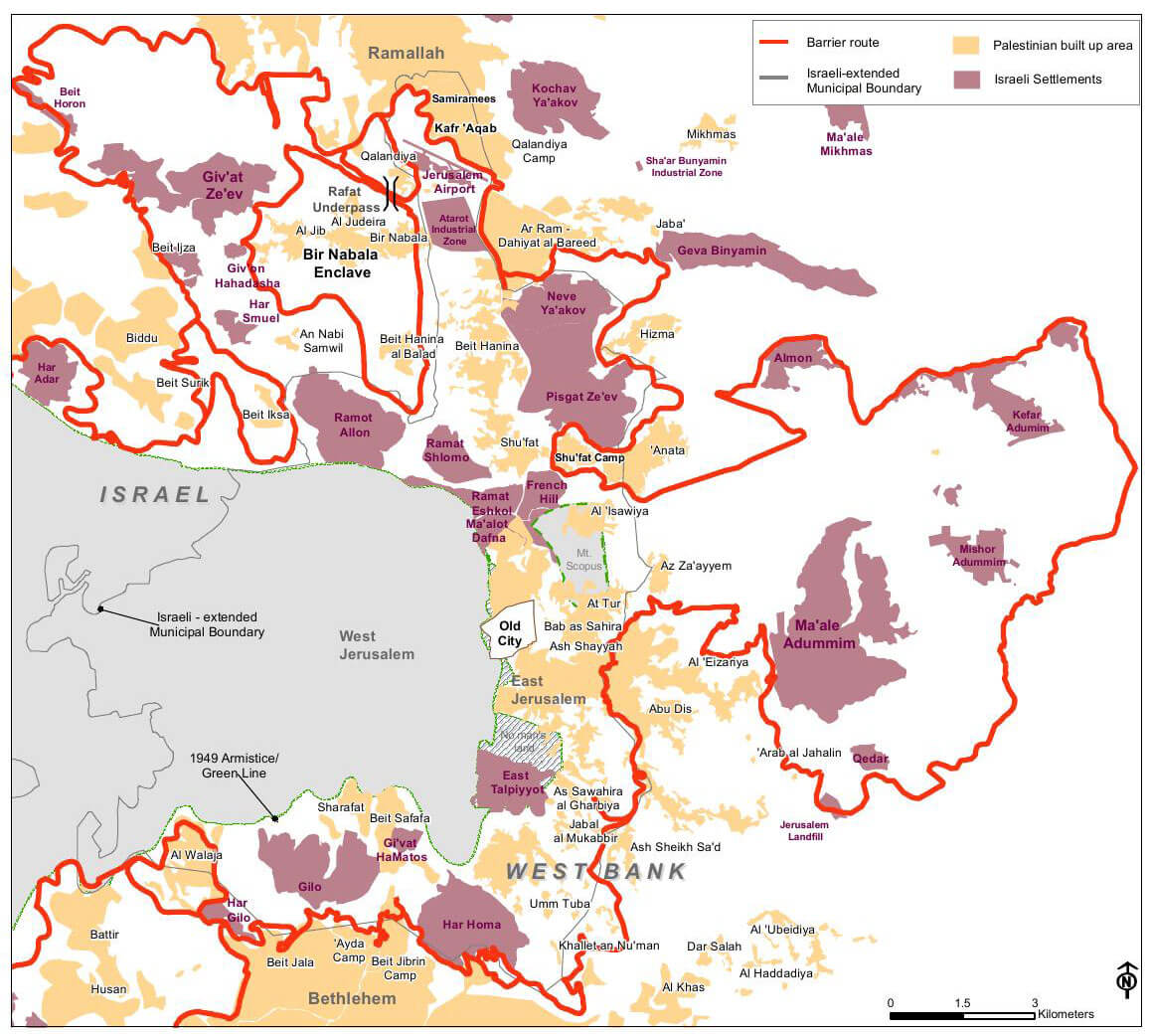
The settlements are scattered throughout the West Coast in a way that makes the Palestinian state close, while in Jerusalem the Israeli government has built settlements around the city to consolidate control over it.
These <x0).
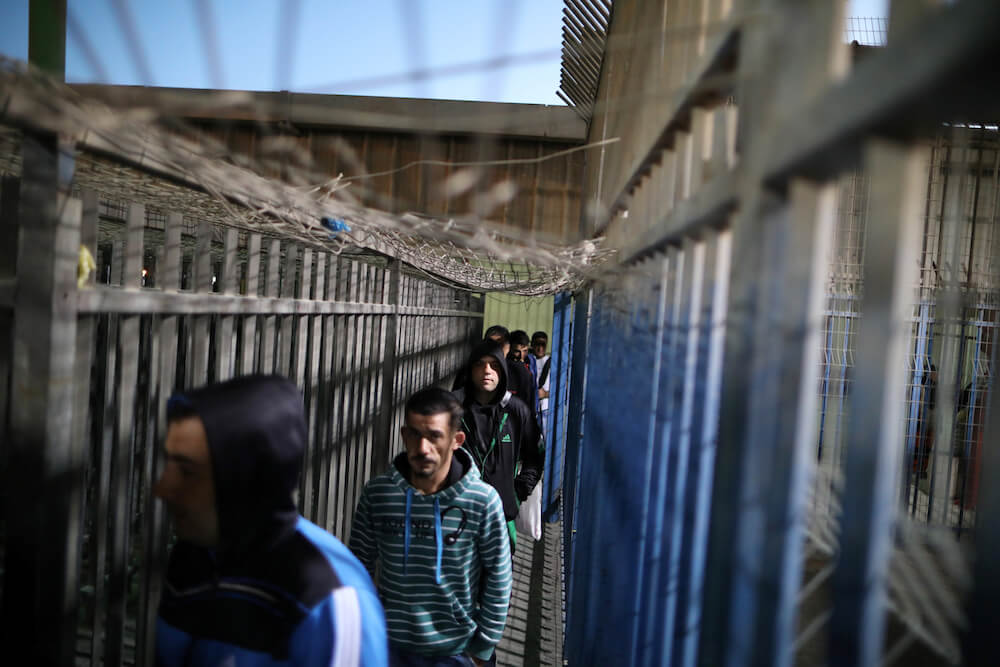
Ringing sites have effectively cut the north of the West Coast from the south, hindering Palestinians' ability to travel in the middle of cities in a normal way.
The construction of these Jewish settlements around the city was no coincidence, but it points to a deeper Israeli political purpose.
After the 1967 war and Israeli invasion of East Jerusalem, Teddy Kollek, mayor of the contested city, said in 1968: the goal is to ensure that all Jerusalem remains a part of Israel forever. If this city is going to be our capital, then we have to make it an integral part of our country and we need Jewish residents to do it. ”
In fact, Israel formalised the annexation of the eastern half of the city in 1980 when it passed the Law of Jerusalem, claiming that “Jerusalem, complete and united, is the capital of Israel”, contrary to international law, which says the city must be administered by the UN for its importance to the three Abrahamic religions.
The goal was to seal Jerusalem's fate and prevent negotiations on the city in any future agreement.
The so - called “Jerusalem Bill” would see the addition of 140,000 Hebrew Israelites living in these settlements in the Jerusalem population to secure a Jewish majority in the city.
In 2004, Israel began building the partition wall, which was meant to provide “security for the Israelis by dividing between the West Coast and Israel after the second Palestinian uprising in 2000.
However, Israel has used the wall to add more land to its borders and has built it around some of the largest settlements in the West Coast, placing them at <x0).
About 85 percent of the wall falls into the West Coast, not Green Line. Therefore, Palestinians have described the wall as a “an annexing”.
In 2009, the municipality of Jerusalem adopted a major “plan to lead and describe the city's development in the coming decades. ” The vision is reportedly the creation of a 70 - percent report of Israelite Jews to 30 percent of Palestinians in the city.
While many members of the Israeli Parliament hope to annex the entire West Coast, which they call by its Biblical name, Judea and Samaria, there is fear that by taking territory to the borders of Israel, they would upset the population's report by turning the demographic balance in favour of Palestinians in the country.
The Western Coast's investigation means providing 3.1 million Palestinians living there Israeli citizenship and extending Israeli law instead of military law to this area. Many view this as the <x0th end of the Jewish state”, as Palestinians will surpass the Jewish Israelites.
But growing company on the West Coast brings this opportunity closer to reality every day.
For some Israelite right-wing ministers, annexing the C area, which makes up 60 per cent of the West Coast and submits to general Israeli control é is a more realistic goal at the moment.
All settlements are located in Zone C, where some 300,000 Palestinians live, a constantly underreported figure by Israeli politicians. The breadth of the territory means Israel can absorb the maximum amount of land with the smallest number of Palestinians.
The settlements in the West Coast are already linked to East Jerusalem and Israel through a series of Hebrew roads only to give the settlers the luxury of crossing the green line without having to go through the centers of Palestinian population like living in a single country.
The situation in Zone C, where Israel constantly acts to minimise Palestinian presence through domestic destruction, displacement, resource theft and refusal to give construction permits, constitute de facto annexation.
Besides being illegally built on private and Palestinian public soil, settlements affect Palestinian daily life in many ways.
In 2016, The UN found that the economy of the occupied Palestinian territories would be twice as big if the 50-year conquest were lifted.
Israel's policies of occupation and resolution have come to be seen as a deliberate and de-developing strategy to weaken resistance to military rule and undermine efforts to build a successful Palestinian state.
Stealing Resources
The settlements have been able to thrive only through heavy economic exploitation of the Western Coast conquered at the expense of locals.
While most of the Palestinian population in the West Coast lives in areas A and B, the infrastructure on which living depends either stays or passes into area C.
The area includes the water resources of the territory, the most fertile pastures and agricultural land, as well as mining resources and mining and tourist sites.
Palestinian access to Zone C, about 60 percent of the West Coast, is either completely banned or severely restricted, causing an annual loss of $3.4 billion in the economy.
Local Violence
Because of the proximity of settlements in Palestinian homes, friction and violence between the settlers and Palestinians is a close reality.
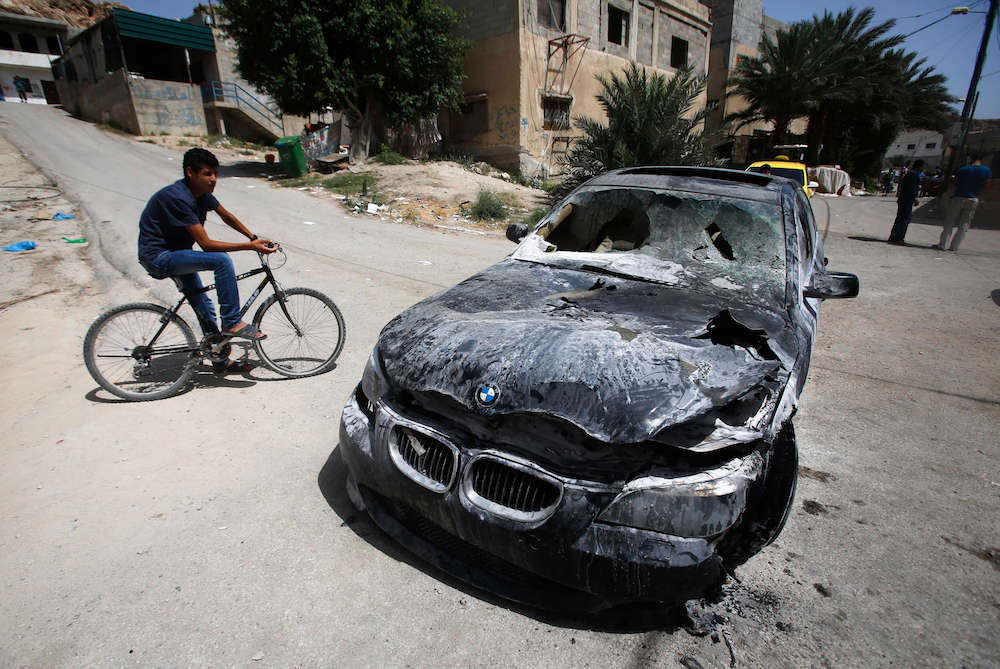
In the first half of 2017, The UN documented 89 incidents in which Israeli settlers killed or injured Palestinians or damaged Palestinians.
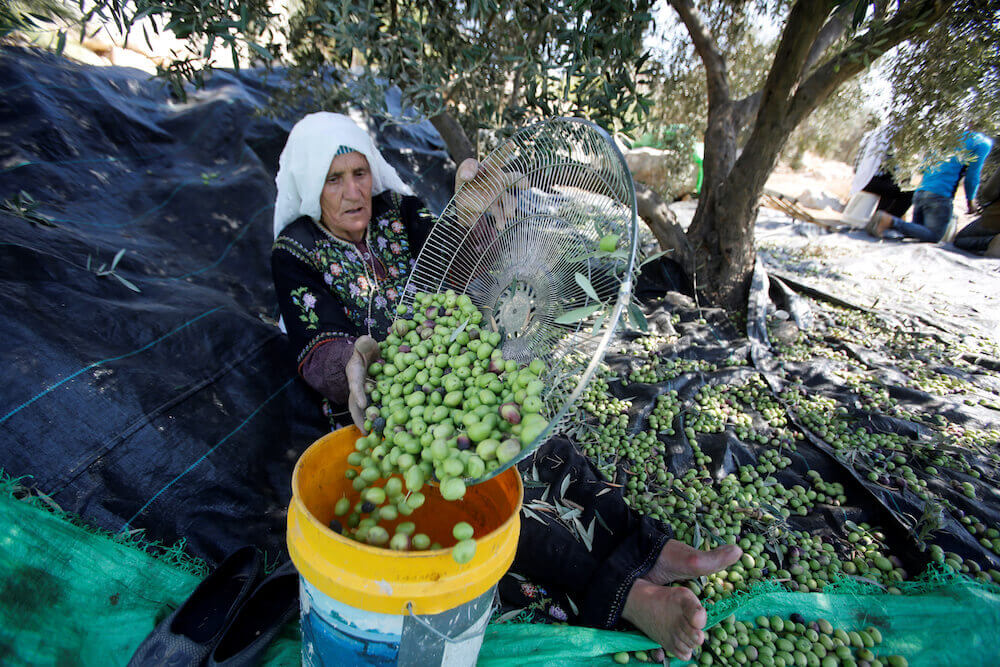
Main forms of violence by Israeli settlers include throwing stones into Palestinian homes and vehicles, the Palestinian physical attacks, rooting or harming olive trees, vandalizing property, or setting fires on agricultural lands.
In 2016 more than 1,500 Palestinian olive trees were damaged or uprooted from the settlers, except for 2.5 million displaced trees since 1967.
The vast majority of complaints filed against column violence pass without any author's conviction.
Home Breakdowns
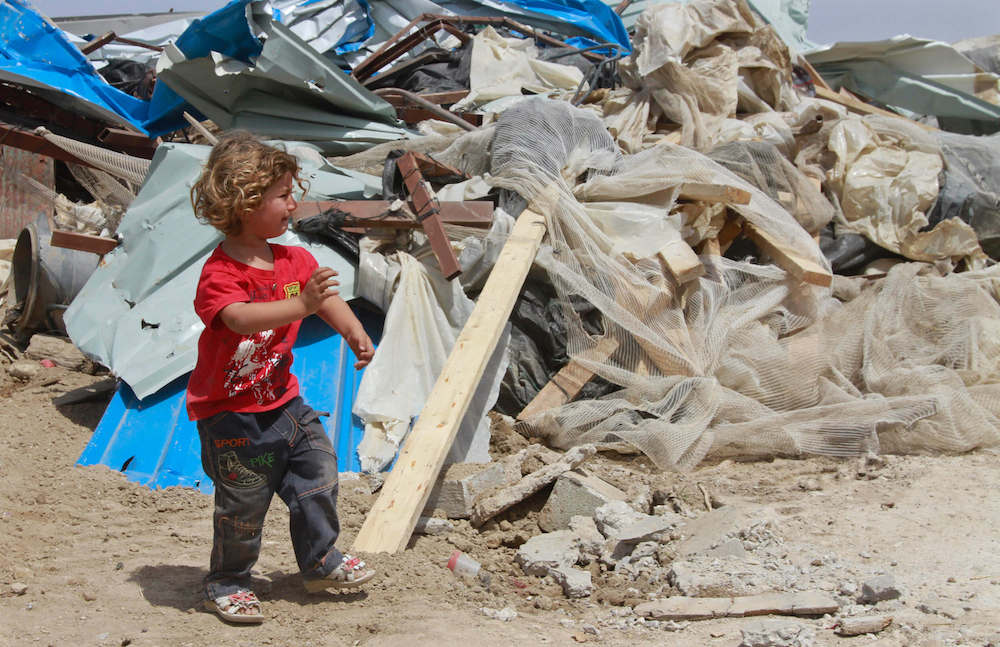
While building houses for the settlers, Israel uses a policy of destroying houses to limit the expansion of Palestinian communities on the pretext that houses have been built without necessary permits, while refusing to issue them.
Since 1967, Israeli authorities have destroyed over 27,000 Palestinian homes on occupied territory.
Between 2000 and 2007, Israeli authorities refused more than 94 percent of the permission requirements in Zone C.
Demolisations of other houses and structures that forcibly shift Palestinians can constitute war crimes./Periscopi/