Ancient methods of contraception, pharaohs have used the condom for protection (Photo)

 (9 years ago)
In today's society, there are various forms of contraception in the market. Some of these, such as combined contraception pills (likely referred to as lculula) are, for example, relatively new inventions. Others, like condoms, have a much longer history than those mentioned above. Even the first had had [...]
Others, like condoms, have a much longer history than those mentioned above. Even the first had access to contraception, even though some of these may seem quite strange to a modern observer.
According to some data, the earliest display of a condom can be found in a 13,000-year-old cave painting in Grotte des Combalrees, France, reports “Ancient-origins”, the Periscope broadcast.
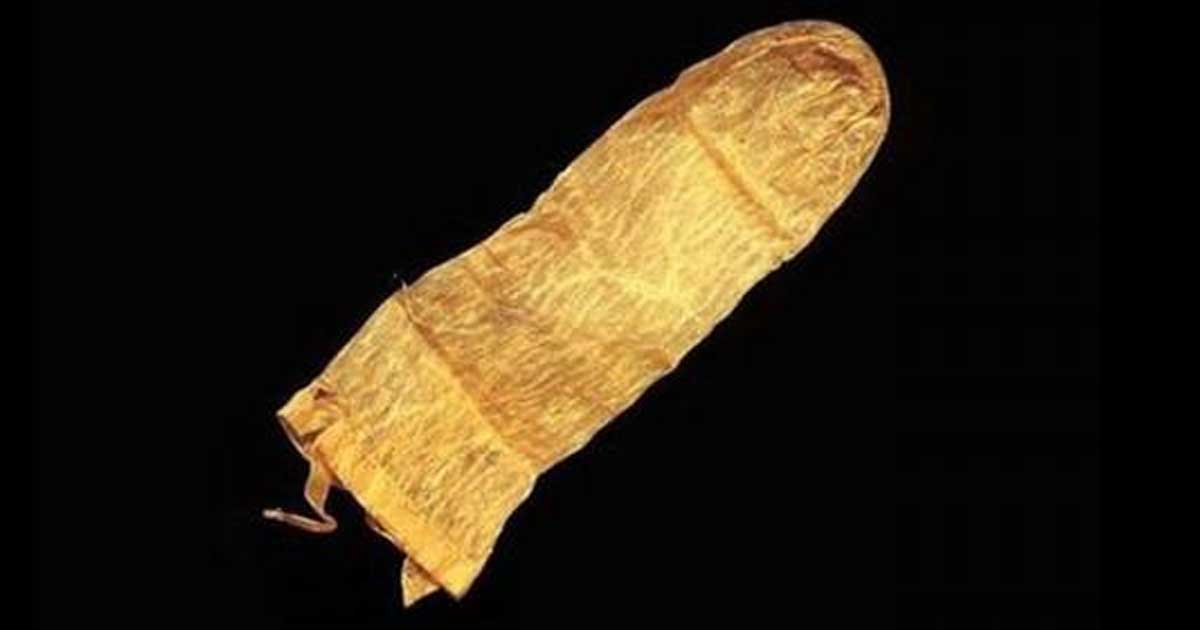
Some ancient Egyptian Pharaohs, Tutankhamun, for example, had used condoms (which were made of clothing).
It is believed that the Condoms of the ancient Egyptians did not serve as a contraceptive goal but were used in order to prevent tropical diseases.

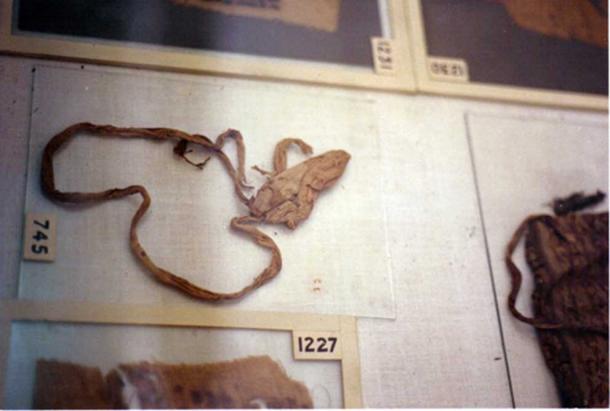
In ancient Egypt, however, there was contraception. The Kahun Medical Papyrus (also known as the Gynecological Papyrus), which dates back to about 1825 pes, recommends the use of a crocodile garbage mixture and some other (now unknown). This mixture would then form into a small block and enter the woman's vagina.
It has been claimed that elephant dung was replaced in India and the Middle East. According to one hypothesis, crocodile refuse is alkaline in nature, acting like sperm.
A Toxic Method
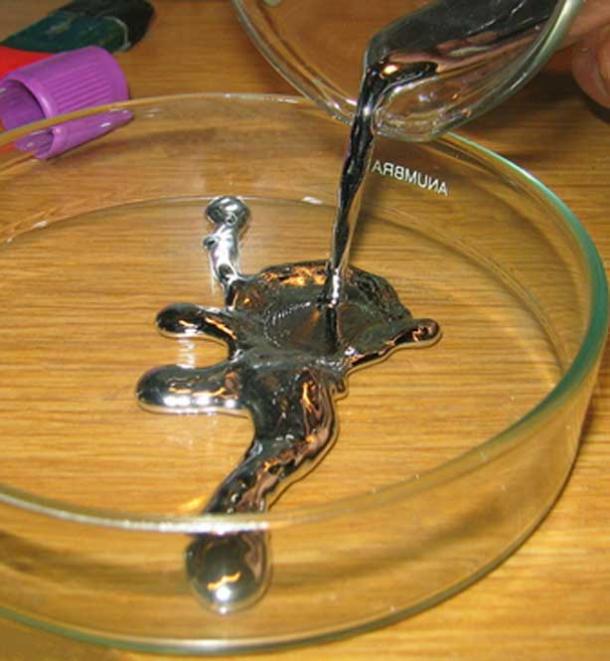
Since such ancient burdens may not have had negative side effects on the health of their users, the same cannot be said of other contraception methods. In ancient China, for example, the liquid scare was used by women to prevent pregnancy. On the other hand, it is extremely toxic, and its swallowing can seriously harm the internal organs, causing kidney and lung failure and damaging the brain and eventual death.
For example, an ancient Greek doctor named Sorenus advised women to sneeze hard to expel sperm from their bodies. As you can imagine, these methods were perhaps not entirely successful. Yet, he was a highly respected physician during his time./Periscopi/